You can watch a thousand hours of soccer and still only see the ball. The players who look like they have "vision," the managers who seem to conjure goals from nothing, the tactical shifts that swing a match — all of it is happening on the pitch in plain sight, and most of us never learn to read it. Football intelligence is a literacy, and like any literacy it's learned in an order: start with why the game matters, then how it's structured, then the data that measures it.
Soccer tactics: a reading path to watch smarter
July 12, 2026 · 2 min read
Start with why it matters
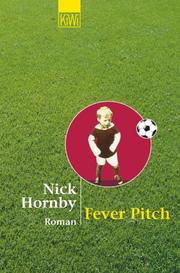
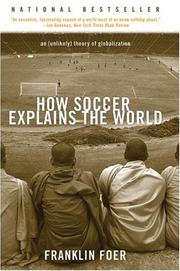
Begin with the human hook. Fever Pitch by Nick Hornby is the classic memoir of obsessive fandom — it explains why anyone cares this much, which is the necessary foundation. Then widen out with How Soccer Explains the World by Franklin Foer, which uses the sport as a lens on globalization, politics, and identity. You're not reading tactics yet; you're learning why the tactics are worth understanding.
Learn the shape of the game
Now the core. Inverting the Pyramid by Jonathan Wilson is the definitive history of soccer tactics — how formations evolved from all-out attack to the modern systems — and it's the single book that most changes how you watch. Follow it with Mixer by Michael Cox, which zooms in on the tactical revolution of the Premier League era and makes recent history legible.
To see the philosophy embodied in one manager, read Pep Guardiola by Martí Perarnau, an inside account of the most influential tactical mind of the modern game.
Add the numbers
Modern soccer is increasingly a data sport, and the analytics reframe everything. Soccernomics by Simon Kuper applies economics and statistics to the game's biggest questions — who really wins, and why — while The Expected Goals Philosophy by James Tippett explains the metric (xG) that has quietly rewired how clubs, gamblers, and smart fans evaluate what actually happened in a match.
How to actually study this
Watch differently. After Inverting the Pyramid, pick one match and ignore the ball — track the shape, the pressing triggers, the space between the lines. After The Expected Goals Philosophy, watch a game and guess each shot's xG before the replay. Tactics reading only sticks when you immediately test it against live football; the books give you the questions, the matches give you the answers.
Read them in order on the full reading path, explore the soccer hub, or browse Discover to connect the game with strategy and game theory.
FAQ
- What is the best book on soccer tactics?
- Inverting the Pyramid by Jonathan Wilson — the definitive history of how formations evolved. It changes how you watch the game more than any other single book.
- What is expected goals (xG)?
- A metric estimating the chance each shot becomes a goal, based on its situation. James Tippett’s The Expected Goals Philosophy explains why it reshaped how the modern game is analyzed.
Get the books
- 1Fever PitchAmazon ↗Nick Hornby
- 2How Soccer Explains the WorldAmazon ↗Franklin Foer
- 3MixerAmazon ↗Michael Cox
- 4Inverting the pyramidAmazon ↗Jonathan Wilson
- 5SoccernomicsAmazon ↗Simon Kuper
- 6Pep GuardiolaAmazon ↗Martí Perarnau
As an Amazon Associate we earn from qualifying purchases. Some book links are affiliate links; you pay the same price and we may earn a small commission.
Follow the full reading path

Watch soccer smarter: tactics & the beautiful game
Beginner8books60 hrs4 stages
Ready to learn something deeply?
Build a reading path — free