The war in Ukraine generates more confident opinion per square inch of newsfeed than almost any subject alive — and most of it rests on history the speaker learned last week. This is a subject where the past is the argument: both sides invoke a thousand years of it. So this path is built the only honest way — deep history first, then the Soviet century, then Putin's Russia, then the war. It deliberately includes multiple perspectives, and you should read it holding your conclusions loosely; on a live conflict, everyone's picture, including every author's here, is partial.
Russia and Ukraine Books: How We Got Here, in Order
July 11, 2026 · 2 min read
Why order matters here
Start with the war books and you inherit their framing invisibly. Start a thousand years back and you can evaluate the framings yourself — including the competing national stories that are themselves part of the conflict.
The path, stage by stage
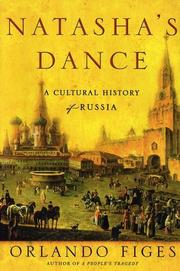
Begin with The Gates of Europe by Serhii Plokhy, the standard single-volume history of Ukraine, which establishes the essential fact most coverage skips: Ukraine has its own long story, not a subplot of Russia's. Balance it with Natasha's Dance by Orlando Figes, a cultural history of Russia that shows how Russians came to see themselves — you need both self-understandings to grasp why the two nations narrate the same past so differently.
Then the Soviet century. The Soviet Union by Stephen Lovell is a compact orientation to the state whose collapse set today's board. Red Famine by Anne Applebaum documents Stalin's engineered starvation of Ukraine in the 1930s — essential, and also a book with a strong argument about intent that some historians debate; read it as a case being made, and made well.
Next, Putin's Russia. The Man Without a Face by Masha Gessen is a hostile but deeply sourced portrait of Putin's rise; know that it is written from the opposition's vantage. Nothing Is True and Everything Is Possible by Peter Pomerantsev captures the propaganda-saturated media world that makes Russian public opinion legible. Twilight of Democracy, again by Applebaum, widens the lens to why authoritarianism found allies across the West.
Finally, the war itself. Ukraine Crisis by Andrew Wilson covers 2014 — Maidan, Crimea, Donbas — the chapter most Westerners skipped. Invasion by Luke Harding reports the full-scale war from the ground, and New Cold Wars by David Sanger places it in the global contest with China, which is where the story is still being written.
How to actually study this
Keep a timeline as you read — events from 988 to 2022 will keep reordering themselves in your head. Note each author's vantage point on the flyleaf and ask what a critic would say. Current events will keep moving; the point of this path is that the next headline lands on a thousand years of context instead of last week's.
The staged plan is at the full reading path. Wider context lives in the Russia and Ukraine hub, or browse all paths.
FAQ
- What is the best book to understand the Russia-Ukraine war?
- Start with The Gates of Europe by Serhii Plokhy for the deep history, then Ukraine Crisis by Andrew Wilson for 2014 — the war makes little sense without both.
- Are these books neutral about the war?
- No book on a live war is neutral. This path mixes Ukrainian, Russian, and Western vantage points deliberately, and flags where authors argue beyond consensus.
Get the books
- 1The Gates of EuropeAmazon ↗Serhii Plokhy
- 2Natasha's DanceAmazon ↗Orlando Figes
- 3Red FamineAmazon ↗Anne Applebaum
- 4The Soviet UnionAmazon ↗Lovell, Stephen
- 5The man without a faceAmazon ↗Masha Gessen
- 6Ukraine crisisAmazon ↗Wilson, Andrew
As an Amazon Associate we earn from qualifying purchases. Some book links are affiliate links; you pay the same price and we may earn a small commission.
Follow the full reading path


Russia & Ukraine: how we got here
Beginner10books84 hrs5 stages
Ready to learn something deeply?
Build a reading path — free