Buddhism is two things at once — a living practice and a rigorous philosophy — and Western readers tend to grab one and miss the other, either romanticizing it into vague self-help or intellectualizing it into a puzzle. A good reading path holds both together, and in an order that earns each step: the historical basics, then real practice, then the major schools, then the demanding philosophy of mind and emptiness.
Understand Buddhism: a reading path from the basics to emptiness
July 6, 2026 · 1 min read
The path, stage by stage
Our Buddhism path builds from ground to depth.
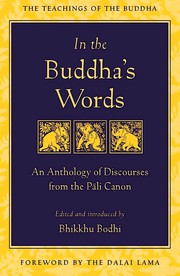
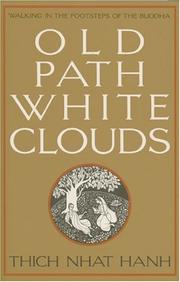
Foundations — the story and the basics. Rahula's What the Buddha Taught (the clearest short introduction there is), Bhikkhu Bodhi's In the Buddha's Words, and Thich Nhat Hanh's Old Path White Clouds (the Buddha's life as narrative).
Practice — meditation and the living tradition. Mindfulness in Plain English and The Heart of the Buddha's Teaching — because Buddhism is done, not just studied.
Expanding the map — Mahayana and Zen. Zen Mind, Beginner's Mind (a modern classic) and The Bodhicaryavatara — the Mahayana turn toward compassion.
Philosophy — emptiness and mind. Nagarjuna's The Fundamental Wisdom of the Middle Way and Buddhist Philosophy — the rigorous heart, where "emptiness" gets its precise, non-mystical meaning.
Deep mastery — history and critique. Batchelor's Buddhism Without Beliefs and Wright's Why Buddhism Is True — modern, skeptical readings that test the tradition against science and secular life.
The habit: sit with what you read
Buddhism resists being understood from the outside — its central claims are about direct experience. Pair the reading with even ten minutes of daily sitting, and the texts change from abstract to obvious. The philosophy stages especially only click when you have some contemplative experience to hang them on.
Around 98 hours. Follow the path or browse the Buddhism hub. It's the deep end of starting a meditation practice and a branch of where to start with philosophy.
FAQ
- Do I have to meditate to understand Buddhism?
- To understand it fully, effectively yes — its core claims are experiential, and the philosophy of mind stages assume some first-hand acquaintance with your own attention. A little daily sitting alongside the reading makes an enormous difference.
- Is Buddhism a religion or a philosophy?
- Both, and the path deliberately covers each — devotional and cultural forms as well as the analytic philosophy. The modern skeptical books (Batchelor, Wright) explicitly wrestle with which parts you can take secularly.
Get the books
- 1What the Buddha taughtAmazon ↗Walpola Rahula
- 2In the Buddha's wordsAmazon ↗Bhikkhu Bodhi
- 3Old Path White CloudsAmazon ↗Thích Nhất Hạnh
- 4Mindfulness in Plain EnglishAmazon ↗Bhante H. Gunaratana
- 5The heart of the Buddha's teachingAmazon ↗Thích Nhất Hạnh
- 6Zen mind, beginner's mindAmazon ↗Shunryū Suzuki
As an Amazon Associate we earn from qualifying purchases. Some book links are affiliate links; you pay the same price and we may earn a small commission.
Follow the full reading path

How to learn Buddhism
Beginner12books99 hrs5 stages
Ready to learn something deeply?
Build a reading path — free