Meditations is the most-recommended entry point to Stoicism, and it's the wrong one. Not because it isn't great — it's extraordinary — but because it was never written for you. It's a Roman emperor's private notebook: repetitive, unstructured, allusive. Read cold, it's fortune cookies. Read with the framework already in your head, it's devastating.
Read the Stoics in the right order: modern guides before Marcus Aurelius
July 6, 2026 · 1 min read
Framework first
That's the whole logic of our Stoicism path: one stage of modern scaffolding, then the ancients.
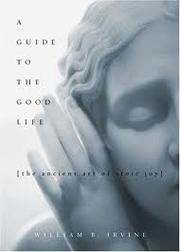
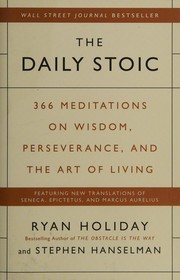
Stage 1 — foundations. William Irvine's A Guide to the Good Life is the clearest modern account of what Stoicism actually claims: the dichotomy of control, negative visualization, virtue as the only true good. Ryan Holiday's The Daily Stoic then drips the vocabulary into your day — one short passage at a time, which is exactly how Stoicism was designed to be absorbed.
Stage 2 — the Stoics themselves. Now Meditations lands, because you recognize what Marcus is doing: practicing the techniques you just learned, under pressure, at the head of an empire. Seneca's Letters from a Stoic is the warmest of the three — practical advice to a friend about money, grief, time, and anger. Epictetus' Discourses is the most demanding and the most bracing: the ex-slave who taught the emperor's philosophy.
Why order matters more here than almost anywhere
Ancient texts assume a living teacher filling the gaps. The modern guides are that teacher. Readers who take this order report the strange experience of the ancient books feeling personal — because by the time you arrive, you share their vocabulary.
A four-line practice to pair with the reading
Each evening, note: what upset me today? Was it in my control? What would I do differently? What am I grateful for? That's negative visualization and the dichotomy of control in four lines — the reading gives it depth; the habit gives it teeth.
Follow the full path, explore the Stoicism hub, or zoom out to where to start with philosophy.
FAQ
- Which translation of Meditations should I read?
- Gregory Hays’ translation is the most readable modern one and the usual recommendation for a first pass. The translation matters more for Meditations than for most ancient texts.
- Can I skip the modern guides and go straight to the ancients?
- You can — people did for two thousand years. But a week with Irvine first is the highest-leverage week in the whole path; the ancients assume context a modern reader doesn’t have.
Get the books
- 1A Guide to the Good LifeAmazon ↗William B. Irvine
- 2The daily stoicAmazon ↗Ryan Holiday
- 3MeditationsAmazon ↗Marcus Aurelius Aurelius
- 4Letters from a StoicAmazon ↗Seneca the Younger
- 5Discourses and Selected WritingsAmazon ↗Epictetus
As an Amazon Associate we earn from qualifying purchases. Some book links are affiliate links; you pay the same price and we may earn a small commission.
Follow the full reading path

Learn Stoicism, from modern guides to the ancient texts
Beginner5books35 hrs2 stages
Ready to learn something deeply?
Build a reading path — free