There's an obvious paradox in learning meditation from books: reading about sitting is the opposite of sitting. And yet the right books, in the right order, are what turn a well-meant impulse into a practice that survives past the second week — where almost every solo attempt dies. The trick is to let each book earn its place by supporting real sitting, not replace it.
Start a meditation practice with books (and actually stick with it)
July 6, 2026 · 2 min read
Practice first, theory later
Our meditation path is deliberately ordered so you're meditating in week one, before you understand much of anything.
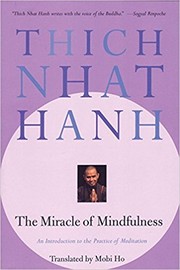
First breaths — building a daily practice. Jon Kabat-Zinn's Wherever You Go, There You Are is short, warm, and gets you sitting immediately. Thich Nhat Hanh's The Miracle of Mindfulness extends it into everyday life (washing dishes as meditation), and Dan Harris's 10% Happier is the skeptic's on-ramp — a news anchor who thought this was nonsense until it wasn't. Perfect if part of you is rolling its eyes.
Going deeper — structured technique. Bhante Gunaratana's Mindfulness in Plain English is the clearest instruction manual in the genre — what to actually do when your mind wanders for the hundredth time. Sharon Salzberg's Real Happiness adds loving-kindness practice.
The mind examined — the science. The Mind's Own Physician and Goleman & Davidson's Altered Traits — what the research actually shows meditation does to the brain (less than the hype, more than nothing, and specific about which claims hold).
The roots — where it comes from. Bhikkhu Bodhi's In the Buddha's Words, Thich Nhat Hanh's The Heart of the Buddha's Teaching, and Culadasa's The Mind Illuminated — the last being the most complete technical manual of the whole path, a stage-by-stage map from beginner to deep concentration.
The only metric that matters
Don't measure sessions by how calm they felt — calm is a byproduct, not the goal, and chasing it backfires. Measure by whether you sat at all. Ten distracted minutes daily beats one blissful hour a month. The books support the streak; the streak is the practice.
About 75 hours of reading, spread across months of actual sitting. Follow the path or browse the meditation hub. The philosophical roots lead naturally to the Stoics, meditation's Western cousin.
FAQ
- Which book should I actually start with?
- Wherever You Go, There You Are if you’re open to it, or 10% Happier if you’re skeptical. Both get you sitting within the first few pages — start there, not with the Buddhist philosophy.
- Do I need to be Buddhist to meditate?
- No. The first three stages are entirely secular; the Buddhist texts come last as context, not requirement. Plenty of readers stop after the technique stages and have a lasting practice.
Get the books
- 1Wherever You Go, There You AreAmazon ↗Jon Kabat-Zinn
- 2The Miracle of MindfulnessAmazon ↗Thích Nhất Hạnh
- 310% HappierAmazon ↗Dan Harris
- 4Mindfulness in Plain EnglishAmazon ↗Bhante H. Gunaratana
- 5Real HappinessAmazon ↗Sharon Salzberg
- 6The Mind's Own PhysicianAmazon ↗Jon Kabat-Zinn
As an Amazon Associate we earn from qualifying purchases. Some book links are affiliate links; you pay the same price and we may earn a small commission.
Follow the full reading path

How to learn Meditation & mindfulness
Beginner10books74 hrs4 stages
Ready to learn something deeply?
Build a reading path — free