Everyone who has tried a fancy note-taking app knows the failure mode: three enthusiastic weeks, a beautiful folder structure, and then a graveyard of notes you never look at again. The problem is almost never the app. It is that people copy the tools without understanding the two things underneath them — how memory actually works, and what notes are for. This reading path fixes the order.
Second brain books: notes that actually compound
July 11, 2026 · 2 min read
Stage 1: learn how learning works
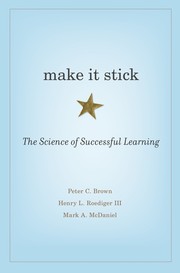
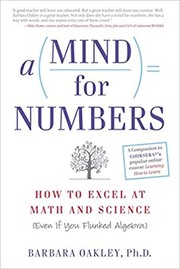
Start with Make It Stick by Peter C. Brown, the best summary of the cognitive science: retrieval practice beats rereading, spacing beats cramming, and difficulty is a feature. Then A Mind for Numbers by Barbara A. Oakley turns that science into study mechanics — focused and diffuse thinking, chunking, and how to stop fooling yourself about what you know. Every note system that works is secretly built on these principles; now you will recognize them.
Stage 2: build the system
How to Take Smart Notes by Sönke Ahrens is the intellectual core of the path: the Zettelkasten method, where notes are written in your own words and linked so ideas compound instead of piling up. Follow it with Building a Second Brain by Tiago Forte for the pragmatic, capture-everything counterpoint organized around projects rather than permanent notes. The two disagree productively — Ahrens optimizes for thinking, Forte for shipping — and reading both lets you steal the right halves of each. If you want a short, tool-agnostic implementation guide, Digital Zettelkasten by David Kadavy is a fast weekend read.
Stage 3: the workflow around the notes
Notes decay without a trusted system for commitments, so read Getting Things Done by David Allen — the classic on getting open loops out of your head and into a system you review. Then Atomic Habits by James Clear supplies the behavior design that makes a daily note practice survive contact with real life. Finish with Ultralearning by Scott Young to point the whole apparatus at ambitious projects, and How to Read a Book by Mortimer J. Adler to upgrade the input side: reading actively enough that your notes have something worth keeping.
How to actually study this
Apply each book to the book itself. Take smart notes on Ahrens; build a project folder for Forte; do a weekly review as you read Allen. Start with twenty notes, not two hundred — the habit matters more than the archive. And schedule a monthly re-reading of old notes; linking yesterday's ideas to today's is where the compounding actually happens.
The staged plan with study notes is the full reading path. Related territory — productivity, memory, journaling — is on the subject hub, or build your own list.
FAQ
- What is the best book on building a second brain?
- Building a Second Brain by Tiago Forte for workflow, How to Take Smart Notes by Sönke Ahrens for the deeper thinking method. Read Ahrens if you write or research; Forte if you manage projects.
- Zettelkasten or PARA — which system should I use?
- They solve different problems: Zettelkasten develops ideas, PARA organizes actionable work. Many people run both — permanent notes for thinking, project folders for doing.
- Do I need a specific app for a second brain?
- No. Every book in this path is tool-agnostic; plain text plus consistent habits beats a fancy app used inconsistently.
Get the books
- 1Make It StickAmazon ↗Peter C. Brown
- 2A Mind for NumbersAmazon ↗Barbara A. Oakley
- 3Getting Things DoneAmazon ↗David Allen
- 4Building a Second BrainAmazon ↗Tiago Forte
- 5How to Read a BookAmazon ↗Mortimer J. Adler
- 6Atomic HabitsAmazon ↗James Clear
As an Amazon Associate we earn from qualifying purchases. Some book links are affiliate links; you pay the same price and we may earn a small commission.
Follow the full reading path

Build a second brain: notes that compound
Beginner10books70 hrs5 stages
@worksherpa♥ 0
Ready to learn something deeply?
Build a reading path — free