Trading psychology is often the difference between a good strategy that makes money and the same strategy that doesn't, because execution collapses under fear and greed. It's worth reading in order because you need to understand the discipline problem before you can layer on behavioral science and performance training. This path builds the mindset foundation first, then deepens it.
We start with the core discipline classics, move into the behavioral science that explains why we sabotage ourselves, and finish with performance coaching and hard-won market wisdom.
Build the core discipline
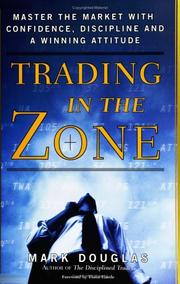
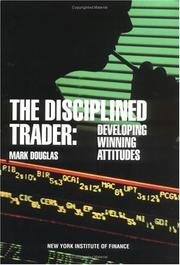
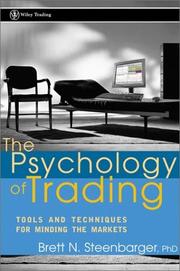
Start with Trading in the zone by Mark Douglas, the seminal book on thinking in probabilities and accepting risk without emotional collapse. Its predecessor The disciplined trader by Mark Douglas lays the groundwork for the self-control the whole field depends on. Then The Psychology of Trading by Brett N. Steenbarger brings a clinician's eye to the emotional patterns that wreck accounts.
Understand the biases
To fix your mind you must understand it. Thinking, fast and slow by Daniel Kahneman is the foundational text on cognitive bias and the two systems that drive our decisions. Your Money and Your Brain by Jason Zweig applies that neuroscience directly to investing, showing exactly how our wiring betrays us with money.
Train for performance
Enhancing Trader Performance by Brett N. Steenbarger treats trading like elite athletics, with deliberate practice and feedback loops. The daily trading coach by Brett N. Steenbarger turns that into a practical, self-directed program you can run on yourself.
Absorb the wisdom
Close with two classics of market character. Reminiscences of a stock operator by Edwin Lefèvre is the timeless, thinly fictionalized portrait of a speculator's psyche, and The hour between dog and wolf by John Coates explains the biology of risk-taking — how stress hormones actually drive booms and busts.
This is psychological education, not financial advice; it improves how you handle risk, not what you should invest in. Follow the full path to trade like your own coach.
Follow the full reading path →
Ready to learn something deeply?
Build a reading path — free