Real estate development is a discipline where a wrong assumption early can cost millions late, which is why learning it in order matters. You need the whole process before you dive into financing math, and you need to understand land and markets before you commit to a site. This path assembles the pieces in the sequence a developer actually uses them.
We move from the end-to-end process, into finance and due diligence, and finally into the market judgment and execution that separate profitable projects from painful ones.
Learn the whole process
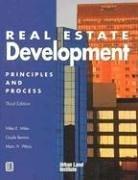
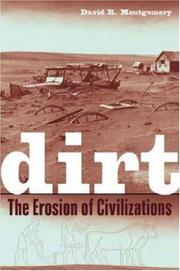
Start with Real estate development by Mike E. Miles, the standard textbook that covers the full development lifecycle from idea to disposition. Then The real estate game by William J. Poorvu teaches through cases how developers actually think about deals and risk. For a grounding in the literal ground you build on, Dirt by David R. Montgomery gives sobering context about land itself.
Understand entrepreneurship and land
The entrepreneurial investor by Paul Orfalea and co-authors frames the investor mindset development demands, while Land Planning and Development Practice by Rick Pruetz covers zoning, entitlements, and the regulatory maze every project navigates.
Master finance and due diligence
Development is finance-heavy, so Real estate finance and investments by William B. Brueggeman is the essential text on the numbers. Emerging Real Estate Markets by David Lindahl teaches how to read market cycles, and The due diligence handbook for commercial real estate by Brian Hennessey keeps you from buying problems you didn't inspect for.
Execute and scale
Construction project management by Frederick E. Gould covers actually getting the thing built on time and budget. The Millionaire Real Estate Developer by Mark Weiss and Real Estate Finance in the New Economy by Piyush Tiwari add strategy and modern financing context, and The real estate wholesaling bible by Than Merrill covers a lower-capital entry point.
Real estate involves major legal and financial commitments, so treat these as education and always work with qualified attorneys, lenders, and accountants on any real deal. Follow the full path to develop with discipline.
Follow the full reading path →
Ready to learn something deeply?
Build a reading path — free