Waste is a business before it is an environmental issue. Somebody is paid to collect it, somebody buys it, and the price of scrap steel or baled cardboard decides what actually gets recycled far more than any household's sorting does. Read this path in order and that inversion arrives early, which saves you from the most common mistake in the subject — treating recycling as a moral practice rather than a commodity trade with a customer at the end.
One date governs the whole reading list. China's 2018 import restrictions, known as National Sword, cut off the largest buyer of the world's mixed paper and plastic and reshaped municipal recycling economics everywhere. Anything published before 2018 describes a market that no longer exists in that form; the analysis usually survives, the prices and export assumptions do not.
Follow the bin
Garbology is the best orientation: American waste volumes, the landfills that take them, and the economics of municipal collection, reported rather than asserted. Start here because it establishes the scale everything else argues about.
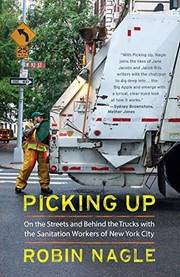
Garbage Land is the most concrete book on the path. Elizabeth Royte physically follows her own household's rubbish, recycling and sewage through New York's systems and meets the operators at each stage, which makes it a useful check on any claim about what happens after collection. Then Picking up, by an anthropologist who trained and worked as a New York sanitation worker, turns that system into a workforce with its own knowledge, danger and politics.
Recycling is a global commodity trade
Junkyard planet is the single most useful book here. Adam Minter grew up in a family scrapyard and reports from Chinese and American recycling businesses on how the trade actually clears — what a bale's contamination rate does to its price, and why exporting was rational rather than shameful. He argues, against most environmental writing, that the export trade was largely a good thing.
Secondhand is his companion volume on reuse rather than recycling: thrift stores, the used-clothing trade to Africa, electronics repair, and the economics of things nobody wants. Wasteland is the most current reporting on the path and the deliberate corrective — Ghanaian textile dumps, Indian landfills, nuclear waste, and the post-2018 collapse of Western recycling markets. Minter and Franklin-Wallis disagree substantively and both are well reported; reading them consecutively is the point.
How disposability was manufactured
Rubbish! is the Tucson Garbage Project: archaeologists excavating landfills and sorting fresh household waste, who found repeatedly that what people say they discard and what they discard are different things. It is the methodological foundation of the subject, and it is the one purchase warning on this list — our catalogue record is a Taiwanese edition, so check the language of any listing before ordering, and note the exclamation mark is part of the published title.
Waste and Want is the social history: reuse, mending and rag-collecting were ordinary until packaging and disposability were deliberately sold. Clean and White supplies what most waste histories leave out — how American ideas of cleanliness, race and waste work were entangled, who was assigned the handling of refuse, and where it was put. That is the direct background to the last stage.
Promise versus industry
Gone Tomorrow argues that municipal recycling was promoted by packaging and beverage interests to shift responsibility onto consumers and forestall regulation. It is openly a critique from the left, and specific enough about the lobbying record to be checkable. Recycling reconsidered is the more rigorous book: a former New York sanitation official's assessment of what programmes actually divert, and why the numbers are so much smaller than the rhetoric. Consult it before quoting any diversion statistic.
Cradle to Cradle is the proposal those two are testing — eliminate waste at the design stage rather than manage it afterwards — and it is a manifesto rather than an assessment. It is the source of most circular-economy language and has been criticised for underrating how hard material separation really is.
Plastic, and where it is put
Plastic tells the history through eight objects and refuses the easy position, which is why it is the right book on the material: honest about the genuine benefits, and clear enough about resin-type sorting that you can see why plastic recycling economics fail regardless of the symbol on the container. Pollution Is Colonialism closes with the hardest argument here — that the assimilative-capacity model underlying pollution regulation presumes access to land that was taken. It is a challenge to the industrial framing of everything before it, and should be engaged with rather than treated as a summary of consensus.
The stage goals and reading schedule are laid out in order at /paths/pt_ai_the-waste-and-recycling-industry.