The Vietnam War is one of the most written-about conflicts in modern history, which makes a reading order more valuable, not less. Read it well and you understand two things at once: the political machinery that produced the war and the human experience that no policy memo can capture. Both are needed, and they are best read in sequence.
Order matters because Vietnam is a war where the official story and the lived story constantly contradict each other. This path builds the big picture first, then moves toward the ground and toward fiction, which here often carries more truth than the histories.
The whole war, top down
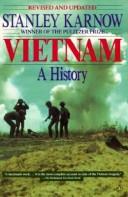
Start with The Vietnam War by Geoffrey C. Ward, the companion to the Burns documentary and an outstanding illustrated overview. Then read Vietnam, a history by Stanley Karnow, the classic comprehensive account that remains the standard single-volume history.
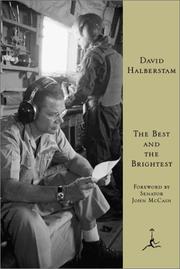
To understand how the United States talked itself into the war, The Best and the Brightest by David Halberstam dissects the brilliant, arrogant policymakers who engineered the escalation, and A Bright Shining Lie by Neil Sheehan tells the war's whole tragedy through one disillusioned officer, John Paul Vann.
Down into the war itself
For the experience of combat, The Things They Carried by Tim O'Brien is the essential book, a work of fiction that tells emotional truths straight reporting cannot. Matterhorn by Karl Marlantes is the great novel of the infantry war, written by a decorated veteran, and We Were Soldiers Once... and Young by Harold G. Moore reconstructs one of the war's first major battles from inside it.
Why it went wrong, and how it felt after
For the institutional failure, Dereliction of Duty by H. R. McMaster indicts the military and civilian leadership that misled the country, and Fire in the lake by Frances FitzGerald offers the prescient early argument that America never understood Vietnam itself.
Close with the war's long shadow. Born on the Fourth of July by Ron Kovic is the shattering memoir of a paralyzed veteran turned protester, and The Sympathizer by Viet Thanh Nguyen finally tells the story from the Vietnamese perspective, the voice most American accounts leave out.
Read this path in order and the Vietnam War becomes legible from the war room down to the rice paddy, and from both sides of the ocean. Follow the full sequence to hold all of it at once.
Follow the full reading path →
Ready to learn something deeply?
Build a reading path — free