The Age of Exploration is usually taught as a triumphant story of daring voyages. Read it in a fuller order and it becomes something much larger and more troubling: the moment the world's separate human histories violently merged, with consequences, biological, cultural, and moral, that we still live inside.
Order matters because the standard European heroic narrative is only one thread. This path deliberately weaves in the peoples who were "discovered," the ecological upheaval, and the human cost of conquest and slavery, so you finish with the whole encounter rather than one flattering half of it.
The voyages and their world
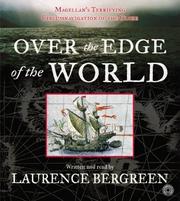
Start with Over the Edge of the World by Laurence Bergreen, the gripping story of Magellan's circumnavigation, which captures the sheer danger and ambition of the era. Then upend your assumptions with 1491 by Charles C. Mann, a landmark portrait of the sophisticated, populous Americas that existed before Columbus, essential context most tellings omit.
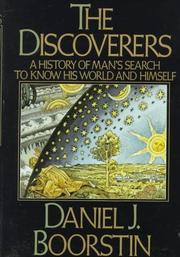
For the intellectual backdrop, The discoverers by Daniel J. Boorstin traces how humans slowly built the knowledge, of time, geography, and the seas, that made exploration possible.
Conquest and its cost
The encounters were often catastrophic. Conquest by Hugh Thomas details the fall of the Aztec empire to a few hundred Spaniards, and The Slave Ship by Marcus Buford Rediker confronts the horrifying machinery of the Atlantic trade that the age set in motion. Widen the geography with Empires of the monsoon by Richard Seymour Hall, which recovers the thriving Indian Ocean world the Europeans muscled into.
The exchange that remade the planet
The deepest consequences were biological. The Columbian exchange by Alfred W. Crosby introduced the revolutionary idea that the movement of crops, animals, and diseases mattered more than any battle, and Guns, Germs, and Steel by Jared Diamond sets that within a grand argument about why some peoples conquered others. 1493, also by Mann, follows the exchange forward into the globalized world it created.
The reckoning
Close with the voices too often erased. An Indigenous Peoples' History of the United States by Roxanne Dunbar Ortiz retells the story from the ground that was taken, and The devastation of the Indies by Bartolomé de las Casas is the searing eyewitness protest written at the time itself.
Read this path in order and the Age of Exploration becomes the true beginning of the connected, unequal modern world. Follow the full sequence to understand what was gained, and what was destroyed.
Follow the full reading path →
Ready to learn something deeply?
Build a reading path — free