The Reformation is easy to reduce to a single dramatic image, a monk nailing theses to a door, but that flattens one of the most consequential upheavals in Western history. Read it in order and you see that Luther was less a lone spark than the moment a long-building pressure finally burst, remaking religion, politics, and eventually the whole idea of the individual.
Sequence matters here because the Reformation only makes sense against the world it overturned and the wars it unleashed. This path sets the medieval stage first, follows the break itself, then traces the ideas and violence that rippled out for more than a century.
The world before the break
Begin with The Autumn of the Middle Ages by Johan Huizinga, a classic evocation of the intense, anxious late-medieval religious culture that Luther was reacting to. Balance it with A Short History of the Catholic Church by John Vidmar, which gives the institutional story of the Church that was about to fracture.
Luther and the rupture
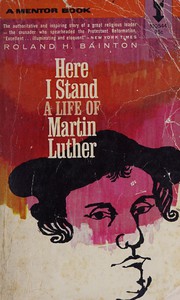
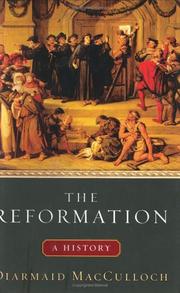
Go to the man himself with Here I stand by Roland H. Bainton, the beloved biography of Luther that remains the best single introduction to how and why he broke with Rome. Then widen the lens with The Reformation by Diarmaid MacCulloch, the magisterial modern survey that shows the movement was Europe-wide, plural, and far messier than the Luther-centered story suggests.
For the ideas at stake, The Theology of Martin Luther by Paul Althaus explains what Luther actually believed and why it was so explosive, and The European Reformations by Carter Lindberg maps the many competing reform movements, Lutheran, Reformed, radical, that the plural in his title insists on.
The long consequences
The Reformation's aftershocks are as important as its origin. The Protestant ethic and the "spirit" of capitalism and other writings by Max Weber makes the famous, contested argument that Protestant belief helped shape the modern economic mind. The Thirty Years War by Veronica Wedgwood tells the story of the catastrophic religious conflict that the split eventually detonated across Central Europe.
Close with Rebel in the ranks by Brad S. Gregory, which traces a provocative line from Luther's revolt to the fragmented, secular modern world, a fitting end because it asks what the Reformation ultimately made.
Read this path in order and the Reformation stops being a single door and becomes what it was, the slow, violent birth of the modern West. Follow the full sequence to trace that arc.
Follow the full reading path →
Ready to learn something deeply?
Build a reading path — free