This is the most thoroughly documented case of corporate misconduct in existence, and the reason is legal rather than journalistic: litigation and a whistleblower forced tens of millions of pages of internal industry documents into public archives. Almost every serious book here is built on those papers. That makes tobacco the reference case that later work on other industries keeps returning to.
Which is why the order should follow the mechanisms rather than the outrage. Four things are worth tracking as you read: how an industry manufactures scientific uncertainty; how attorney-client privilege was used to keep internal research out of discovery; what a settlement buys and what it leaves untouched; and why corporate liability and individual liability came apart so completely.
Before anyone had proof
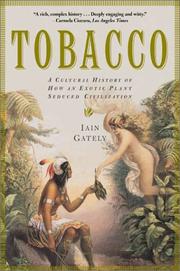
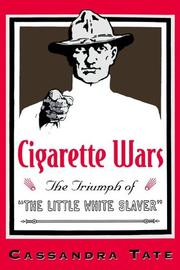
Tobacco is a global cultural history of the plant across five centuries, and it is the right opening because it establishes that this was an ordinary commodity long before it was a scandal. Cigarette Wars covers the American anti-cigarette movement of the early twentieth century, which failed on moral grounds decades before anyone had epidemiology. It matters because it shows what changed in the 1950s: not the objection, but the evidence.
The scholarly core, and the documents
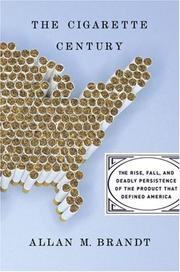
The Cigarette Century is the single best book on the subject and the one to read if you read only one. It is a historian's account of how the cigarette became the defining consumer product of the century, and it is exact on the pivot: the 1954 Frank Statement, an industry advertisement promising to put public health first, and the research council created alongside it. That council funded real science, much of it on causes of cancer other than smoking, and its function was to keep the question open. Manufacturing doubt about a settled finding is cheaper than disproving it, and this is where the template was written.
Ashes to ashes is the enormous narrative history of the American companies, Pulitzer-winning and the best storytelling on the list. Smokescreen covers the 1990s — the FDA's attempt to regulate nicotine as a drug, the congressional testimony, the whistleblower. The cigarette papers is the analysis of the leaked Brown and Williamson documents, and it is where the privilege strategy becomes visible in the industry's own words: research routed through outside counsel so it could later be claimed as attorney work product and shielded from discovery. That manoeuvre worked for decades and then became, once exposed, one of the most damaging facts against the companies.
Golden Holocaust is the fullest excavation of the document archive by a historian who served as an expert witness. It is also openly an argument for abolition, so read it knowing the author is making a case rather than surveying one.
The lawyers, the money and the limits
Cornered and Assuming the risk cover the litigation wave that produced the 1998 Master Settlement Agreement — the second from inside the plaintiffs' side. Read them for the shape of the outcome, because the shape is the lesson: hundreds of billions in payments, structured so the money came from future smokers, with no criminal liability for any individual and no admission that would have bound the companies elsewhere. A later federal racketeering judgment found the companies had engaged in decades of fraud, and the remedies were largely limited to corrective statements. The mechanism that failed here is individual accountability, and that failure is what connects this subject to the white-collar crime literature on why executives so rarely face charges.
Barbarians at the gate sits here for one specific reason: it shows what tobacco looked like as a financial asset. The RJR Nabisco buyout was possible because cigarette cash flows were extraordinarily predictable, and predictability is what leverage requires. The health liability was priced as a discount, not treated as a deterrent — the clearest demonstration in print that litigation risk alone does not change corporate behaviour.
The template, exported
Merchants of Doubt traces the same handful of scientists and the same doubt-production method from tobacco to acid rain and climate change. Doubt is their product is the occupational health version, written by an epidemiologist who ran a regulatory agency. Cancer Wars examines how cancer causation itself became politically contested. Together they are why this path is worth finishing: the tobacco case is not history, it is the manual.
Follow the full ordered path here: The Best Books on the Tobacco Industry, in Reading Order.