The usual entry point to this war is the covert-action story — Washington, Islamabad, crates of missiles. It is genuinely gripping and it is the wrong place to start, because it makes Afghanistan the board rather than a player, and it front-loads the one part of the war Americans already half-know.
The better order runs the other way. Learn what the Afghan state was and why it kept failing, then the invasion, then the war as the people who fought it described it, then the outside money, then the withdrawal and what followed. This is also a war with an enormous civilian toll: something like a million Afghan civilians died and roughly five million became refugees, and several of these books are about exactly that. Read them knowing it.
The country before the war
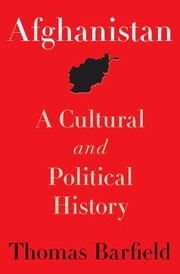
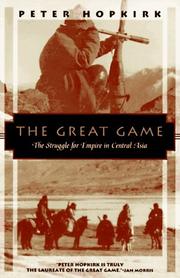
Afghanistan: A Cultural and Political History by Thomas Barfield is the single most useful book here — an anthropologist's account of how authority actually worked between Kabul and the countryside, which explains both why the communist reforms detonated and why every occupier since has had the same problem. Games without rules by Mir Tamim Ansary covers similar ground in a more personal register and is faster reading. The Great Game by Peter Hopkirk goes back to the nineteenth-century British and Russian contest; it is a period adventure narrative more than modern scholarship, but it establishes the long pattern the Soviets stepped into.
The invasion and the war
Afgantsy by Rodric Braithwaite is the core book of this path. Braithwaite was Britain's ambassador in Moscow and wrote it from Soviet sources and interviews, so the war arrives from the invading side: the Politburo argument, the conscripts, the disillusion. The Great Gamble by Gregory Feifer covers the same decade for a general reader and works well if Braithwaite feels dense. The Afghanistan Wars by William Maley is the standing academic survey and is the one to reach for when you want the political chronology straight.
Then the testimony. Zinky Boys by Svetlana Alexievich is oral history from Soviet soldiers, nurses and the mothers who received the sealed zinc coffins the title refers to; it is unsparing and it is the book most readers remember years later. The Hidden War by Artyom Borovik is the reporting of a Soviet journalist who went and wrote what he saw while the war was still on, which took some nerve.
Two companion volumes give the tactics from both ends: The Bear Went Over the Mountain by Lester W. Grau collects Soviet officers' own after-action accounts, and The Other Side of the Mountain by Ali Ahmad Jalali does the same for mujahideen commanders. They are structured as case studies rather than narrative. If you are not interested in small-unit tactics, read one and move on; if you are, read them side by side, since several engagements appear in both.
The money, the exit, and after
Ghost Wars by Steve Coll is the definitive account of the CIA, Saudi and Pakistani role and carries the story forward to 2001. Charlie Wilson's War by George Crile III narrates one congressman's part in the same pipeline; it overlaps heavily with Coll and is far more entertaining and far less careful, so treat Coll as the record and Crile as the colour. A long goodbye by Artemy M. Kalinovsky is the archival study of how the Soviets decided to leave and how long it took, which is the most under-read part of the war. Finish with Taliban by Ahmed Rashid on what grew in the wreckage.
Follow the path in order and the covert-action story arrives where it belongs: as one thread in an Afghan war, rather than as the whole plot. If the Soviet side is what draws you, the collapse of the Soviet Union is the natural next path.
Follow the full ordered path here: Best Books on the Soviet-Afghan War, in Reading Order.
Ready to learn something deeply?
Build a reading path — free