The Renaissance is one of those subjects everyone half-knows and almost no one can actually explain. We can name Leonardo and Michelangelo, but the harder questions — why this explosion happened in a few Italian cities, who paid for it, what changed in how people thought — get answered with a shrug. The reason is that the Renaissance was never just an art movement. It was banking, papal politics, rediscovered ancient texts, and civic pride, all tangled together. Pull one thread and the others come with it.
That is exactly why reading ORDER matters here. Start with a dense classic and you drown in Medici cousins and forgotten popes. Start with a good map, and each later book snaps into place.
Start with the shape of the age
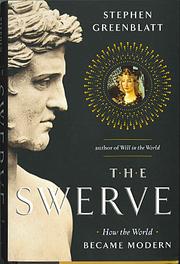
Begin with a compact overview to get the timeline and cast in your head. The Renaissance by Paul Johnson is short and opinionated — a fast flyover of the whole period that gives you pegs to hang everything else on. Then read The Swerve by Stephen Greenblatt, which tells the story of how one lost ancient poem was rediscovered and helped reopen the European mind. It is narrow by design, and that focus makes the bigger idea — the return of classical thought — concrete instead of abstract.
Follow the money and the power
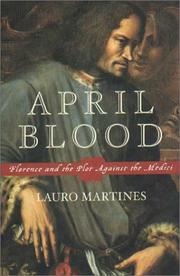
The art came from money, and the money came with knives. Medici: Godfathers of the Renaissance by Paul Strathern turns the banking family who bankrolled Florence into a gripping narrative of credit, patronage, and ambition. Pair it with April Blood by Lauro Martines, a tight account of the Pazzi conspiracy — the assassination plot that shows how violent Florentine politics really were. Once you feel that world, read The Prince by Niccolo Machiavelli, the primary source that fell out of it. It reads very differently after you know the chaos he was reacting to.
Then read the art through the people who made it
Now the paintings mean something. Lives of the Artists by Giorgio Vasari is the original gossipy biography collection — a contemporary telling you what these artists were like, flaws and legends included. Michelangelo and the Pope's Ceiling by Ross King narrows to a single ceiling and four years of labor, and in doing so teaches you how such work was actually commissioned, funded, and fought over. If you want a modern deep dive into the archetype of the era, Leonardo da Vinci by Walter Isaacson draws on the notebooks to show a mind that refused the line between art and science.
Finish with the argument that started it all
Close with The Civilization of the Renaissance in Italy by Jacob Burckhardt, the 19th-century book that essentially invented "the Renaissance" as we discuss it. Read it last, and read it skeptically: much of modern scholarship pushes back on his clean story of the birth of the modern individual. This is a period historians genuinely argue over, so this path deliberately mixes celebration, politics, and critique. Hold your conclusions loosely — the point is to see the debate, not to memorize a verdict.
How to actually study it
Keep a running timeline and a short who-is-who as you read; the same families and cities recur, and tracking them turns confusion into recognition. When you hit a famous work, pull up an image and read the relevant pages beside it. And notice where your authors disagree — that friction is where real understanding lives.
Ready to go in order? Follow the full reading path, explore the subject hub, or browse related history and art paths.
Ready to learn something deeply?
Build a reading path — free