The Middle Ages suffer from a thousand years of compression. In popular memory, everything from 500 to 1500 collapses into one mud-and-plague pastiche — a caricature medievalists have spent careers dismantling. The fix is a reading order: begin with books that make medieval people vividly human, then add the scholarly syntheses that give the millennium its actual structure, and finish with the catastrophes and crusades once you have a world for them to happen in.
Medieval Europe books: knights, plagues & cathedrals in order
July 11, 2026 · 2 min read
Stage 1: make it human
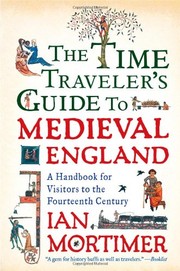
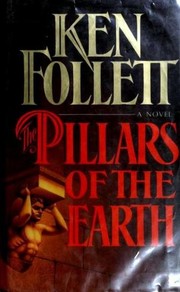
Start with The Time Traveler's Guide to Medieval England by Ian Mortimer, which drops you into the fourteenth century as a visitor — what you would smell, eat, earn, and fear. No book does more to convert "the medievals" into people. Pair it with The Ties That Bound by Barbara Hanawalt, a scholarly but readable reconstruction of English peasant family life from coroners' records, which quietly demolishes the brutish-peasant cliché. If you want fiction as scaffolding, The Pillars of the Earth by Ken Follett builds a cathedral town across decades — invented, but it makes the stakes of stone, guilds, and church politics feel lived.
Stage 2: the shape of the millennium
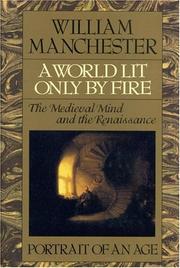
Now the structure. The Inheritance of Rome by Chris Wickham covers the misnamed Dark Ages, 400 to 1000, arguing from evidence that these centuries were transformation rather than collapse. His companion survey, Medieval Europe, then carries the whole story to 1500 with a historian's discipline about economics and power. A warning as you go: the older popular account in A World Lit Only by Fire by William Manchester is vivid and widely read, but professional medievalists fault it heavily for repeating myths — if you read it, read it as a document of how the period gets misremembered.
Stage 3: calamity and crusade
A Distant Mirror by Barbara Tuchman follows one French noble through the calamitous fourteenth century — war, schism, and social upheaval in the century the medieval order cracked. The Black Death by Philip Ziegler remains the classic account of the plague that killed perhaps a third of Europe and rewired its economy. And God's War by Christopher Tyerman is the authoritative modern history of the crusades: unromantic, exhaustive, and clear-eyed about motive. Finish with The Autumn of the Middle Ages by Johan Huizinga, the century-old masterpiece on the late-medieval imagination — how an entire mental world ripened and faded.
How to actually study this
Keep two anchors as you read: a timeline (even a hand-drawn one) and a map of Europe circa 1200. Medieval history makes sense as geography plus dynasty, and both are unfamiliar enough that memory needs help. When Mortimer and Wickham describe the same world differently, write down why — the gap between lived experience and structural history is itself the lesson.
The staged plan with study notes is the full reading path. Neighboring eras — the Vikings, Rome — live on the subject hub, or build your own list.
FAQ
- What is the best book to start learning about medieval Europe?
- The Time Traveler's Guide to Medieval England by Ian Mortimer — it makes the period immediately vivid and human, which makes the scholarly surveys afterward far easier to absorb.
- Were the Dark Ages really dark?
- Modern historians largely reject the label. Books like The Inheritance of Rome by Chris Wickham show 400 to 1000 as an era of transformation and regional diversity, not simple collapse.
Get the books
- 1The time traveler's guide to medieval EnglandAmazon ↗Ian Mortimer
- 2A World Lit Only by FireAmazon ↗William Manchester
- 3The Pillars of the EarthAmazon ↗Ken Follett
- 4Medieval EuropeAmazon ↗Chris Wickham
- 5The ties that boundAmazon ↗Barbara Hanawalt
- 6A Distant MirrorAmazon ↗Barbara Tuchman
As an Amazon Associate we earn from qualifying purchases. Some book links are affiliate links; you pay the same price and we may earn a small commission.
Follow the full reading path
Medieval Europe: knights, plagues & cathedrals
Beginner10books139 hrs4 stages
Ready to learn something deeply?
Build a reading path — free