Almost every book about the pharmaceutical industry is arguing a case, and the cases are irreconcilable. One says the industry systematically distorts evidence, prices life-saving products beyond reach, and spends more on marketing than on discovery. The other says drug development genuinely costs what the industry claims, that failure rates are brutal, and that critics describe a business they have never had to run.
Both positions are held by serious, informed people. This reading order deliberately gives you the mechanics first, then the prosecution, then the defence, then the case where the criticism is least disputed — so that you form a view rather than inherit one.
A note before starting: these are books about an industry, a business model and a regulatory system. Nothing in them is medical advice, and no book here should inform a decision about your own medication. That conversation belongs with a clinician.
How drugs actually come to exist
Ten Drugs by Thomas Hager tells the history of modern medicine through ten compounds, from aspirin and morphine through antibiotics and statins. It is the most enjoyable book on this path and it does something essential: it shows how much of drug discovery was accident, serendipity and long unglamorous slog.
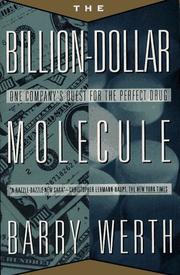
The billion-dollar molecule by Barry Werth is the other foundational read — an embedded account of a biotech start-up attempting rational drug design, written with extraordinary access. It is the best single answer to the question of why development costs what it does, because it lets you watch the failures accumulate in real time.
The case against
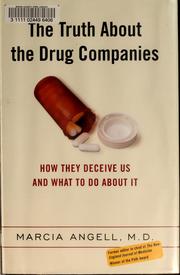
The truth about the drug companies by Marcia Angell, a former editor of a major medical journal, is the classic indictment: that much of the industry's innovation claim rests on minor variations of existing drugs, that marketing budgets dwarf research, and that publicly funded science does more of the discovery than the industry admits.
Bad Pharma by Ben Goldacre is narrower and, for many readers, more damaging: it is about the evidence base itself — unpublished negative trials, selective outcome reporting, regulators with incomplete data, and prescribing decisions made on a distorted literature. Note that the book is now over a decade old, and trial-registration and results-reporting requirements have tightened since, partly in response to the campaign it launched. Whether they have tightened enough is disputed. The structural argument has not been refuted.
The $800 Million Pill by Merrill Goozner attacks the industry's headline cost-of-development figure directly, arguing that the methodology behind it inflates the number by counting opportunity costs and excluding public subsidy. The correct figure remains contested; what is worth carrying away is that the number everyone quotes is an estimate produced under contested assumptions.
The case for
Drug truths by John LaMattina was written by a former head of research at a major pharmaceutical company, and it is a direct rebuttal: that the failure rate in development is far higher than critics allow, that the marketing-versus-research comparison is misleading about how those budgets are defined, and that the pipeline would not survive the policies critics propose.
The Great American Drug Deal by Peter Kolchinsky, a biotech investor, makes a more sophisticated version of the argument — that high prices during patent protection buy a permanent stock of cheap generics afterwards, and that the real failure is in insurance design rather than in pricing itself.
Read these two immediately after Angell and Goldacre, and read them properly. Both authors have obvious financial interests in the industry, which they state; so do the critics have professional and ideological positions. Interest does not decide an argument. This is a live disagreement and this path does not settle it for you.
Where the criticism is hardest to answer
Dopesick by Beth Macy reports the opioid epidemic from Appalachian communities, and Empire of Pain by Patrick Radden Keefe traces the family and the company at its centre across three generations. These are the books where the industry's defenders have the least to work with, and they document conduct established through litigation and regulatory action rather than inferred.
Pharma by Gerald Posner closes the path with a sweeping and combative history of the industry across a century. It is the most polemical book here; read it last, when you can weigh it.
Follow the full reading path in order — this is one subject where reading only the first half leaves you badly informed.
Follow the full ordered path here: Best Books on the Pharmaceutical Industry, in Reading Order.