Video game design is often confused with programming or art, but it is really the discipline of designing systems that produce fun. That makes it deceptively hard: you cannot see a design directly, only its effects on players. Reading in order helps because the field has a natural progression from holistic craft to formal analysis to the psychology of the person holding the controller.
The path below starts wide, narrows to the mechanics and structures underneath, then turns to level design and the science of engagement. Each stage gives you a sharper vocabulary for talking about why a game works.
The big picture of design
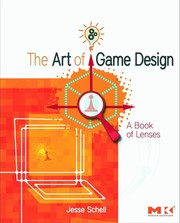
Start with The Art of Game Design by Jesse Schell, the beloved overview that teaches design through a hundred "lenses" for examining any game. Then Challenges for Game Designers by Brathwaite and Schreiber turns theory into practice with hands-on exercises that force you to actually design. Together they establish that design is a craft you learn by doing, not just reading.
Formal systems and fun
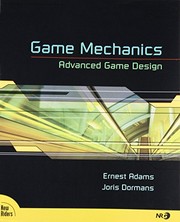
Now go deeper into what a game is. Rules of Play by Katie Salen is the rigorous academic framework for understanding games as systems of meaning. Game Mechanics by Ernest Adams gets concrete about the mechanics that drive play, and Designing Games by Tynan Sylvester connects mechanics to the emotions they create. A Theory of Fun for Game Design by Raph Koster then answers the core question — why games are fun — arguing that fun is the brain learning.
Space, engagement, and the player's mind
Finally, turn to level design and psychology. An Architectural Approach to Level Design by Christopher W. Totten treats game spaces like architecture, and Level Design by Rudolf Kremers covers the craft of building compelling spaces. Then consider the player directly: Hooked by Nir Eyal explains habit-forming product loops (with the ethical caution such power deserves), and The Gamer's Brain by Celia Hodent applies cognitive science to make games more usable and engaging.
Read in this order and game design becomes a set of tools rather than a mystery of taste. Follow the full path, prototyping constantly, to turn design theory into games people actually enjoy.
Follow the full reading path →
Ready to learn something deeply?
Build a reading path — free