Portrait painting fails most often not at the easel but before it — in weak drawing, misunderstood anatomy, and a poor grasp of light. Beginners who rush to color paint muddy, lifeless faces. The reliable path builds the underlying skills first: draw the head accurately, understand what is under the skin, then learn to see color and light, and only then commit to oil.
This order mirrors how ateliers actually train painters. Each stage removes a common failure point so that when you finally pick up a brush, you are solving color problems, not drawing problems.
Draw the head and understand anatomy
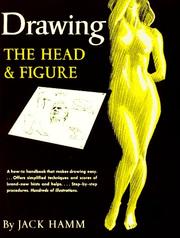
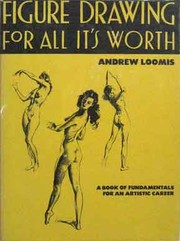
Start with Drawing the Head and Figure by Jack Hamm, a friendly, systematic introduction to constructing a believable head and body. Then ground that in structure with Anatomy of the Human Body by Henry Gray, the classic reference for what lies beneath, and Figure Drawing for All It's Worth by Andrew Loomis, whose construction methods remain the gold standard for proportion and form. Solid drawing here is what makes everything later possible.
Capture likeness, expression, and light
Now move toward painting while sharpening observation. Alla Prima by Richard Schmid is the modern classic on direct, from-life painting and seeing color accurately. The Artist's Complete Guide to Facial Expression by Gary Faigin teaches the muscles and mechanics behind every expression, so your portraits convey emotion, not just features. Portrait Painting Atelier by Suzanne Brooker then lays out a structured, traditional approach to building a portrait step by step.
Master color and oil technique
Finish with color and medium. Color and Light by James Gurney is the definitive guide to how light behaves and how to render it convincingly — indispensable for lifelike skin. Painting the Head in Oil by John Howard Sanden and The Portrait in Oil by Joe Singer then focus specifically on oil technique for the face, from palette to brushwork to finishing.
Read and practice in this order and each skill supports the next. Follow the full path, drawing and painting from life throughout, to turn understanding into convincing portraits.
Follow the full reading path →
Ready to learn something deeply?
Build a reading path — free