Oil is written about in two registers that rarely meet. One is technical and commercial — reservoirs, refining margins, benchmark crudes, shipping, the difference between a spot cargo and a term contract. The other is political and narrative — coups, cartels, sanctions, wars. Readers who start with the second end up with a strong opinion and no idea how a barrel actually gets from a rock to a tank.
This order fixes that by spending one book on the mechanics first. Everything afterwards lands better for it.
The mechanics, in one book
Oil 101 by Morgan Downey is exactly what it sounds like: a plain, systematic explanation of exploration, production, refining, transport, benchmarks, futures and the units the industry actually uses. It is the least glamorous book on this path and the one that changes how you read the rest. If you have ever wondered why a price for Brent and a price for a Canadian heavy crude behave differently, this is where you find out.
The history everyone cites
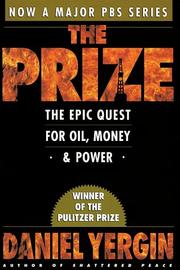
The Prize by Daniel Yergin is the standard history of oil from the 1850s to the end of the Cold War, and it is deservedly the most-read book on the subject. It is very long and very readable, and it works as narrative history rather than analysis. One thing to know: Yergin has spent his career at the centre of the energy consulting business, and critics have argued that his accounts are congenial to the industry's own self-understanding. That is a reason to read him alongside the harder-edged books below, not a reason to skip a Pulitzer-winning history.
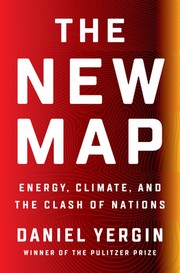
New Map is Yergin's later book, published under the fuller title The New Map: Energy, Climate, and the Clash of Nations, and it brings the story to shale, renewables, and the strategic competition around them.
How the companies and traders behave
Private empire by Steve Coll is an investigative account of one supermajor operating as something close to a sovereign entity, and it is the best book here on how a large oil company makes decisions. Coll is a reporter of unusual patience, and the chapters on the company's dealings in West Africa and Indonesia are the ones people remember.
The World for Sale by Javier Blas and Jack Farchy opened up the commodity trading houses, the least visible and most profitable link in the chain. A note on our catalogue record: it stores the book as part of a two-title collection set bundled with an unrelated book on rare metals, so check what you are actually ordering. The king of oil by Daniel Ammann is the biography of the trader who invented much of that business, and reads as its necessary companion.
The shale boom, and a real disagreement
The boom by Russell Gold and The frackers by Gregory Zuckerman both tell the story of American shale — the technology, the land men, the wildcatters who bet everything. Gold is the more measured and better on environmental consequences; Zuckerman is the better character writer.
Saudi America by Bethany McLean takes the opposite view and argues the shale industry destroyed enormous amounts of capital and was sustained by cheap debt rather than by profits. This is a genuine and unresolved disagreement about the same set of facts, and reading all three is the point. Do not let a reading list adjudicate it for you.
Where the oil is, and what it does there
Crude world by Peter Maass reports from producing countries and is the strongest account here of what large resource revenues do to states and to the people living above the reservoir. Saudi, Inc. by Ellen Wald is a corporate and political history of the world's most important oil company and the family that built it, and closes the path by returning to the single producer whose decisions still move the price.
One limitation to name: this is a business and geopolitics path, not an energy transition path. Climate policy appears in these books mostly as something the industry reacts to, and if that is your primary interest you will want a different list alongside this one. Follow the full reading path in order.
Follow the full ordered path here: How to Understand the Oil and Gas Industry Through Books, in Order.