The Mughal Empire is one of history's great success stories and one of its most misunderstood. It ruled most of the Indian subcontinent, produced the Taj Mahal, and left an unusually rich written record — including autobiographies by the emperors themselves. Approach it at random and it fragments into names and battles. Read in order and it becomes a coherent arc from foundation to zenith to decline.
This path begins with a scholarly overview, moves to the emperors in their own voices and the biographies of the greatest of them, and closes with the empire's astonishing art and its fall.
The shape of the empire
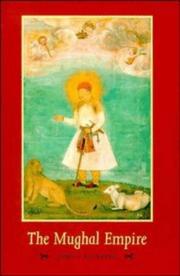
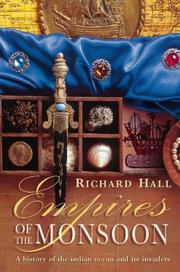
Start with The Mughal Empire by John F. Richards, the standard scholarly survey that gives you the political and administrative framework for everything else. Widen the horizon with Empires of the monsoon, which places the Mughals within the wider world of Indian Ocean trade and rival powers — useful context for why the empire rose and how it was eventually challenged.
The emperors in their own words
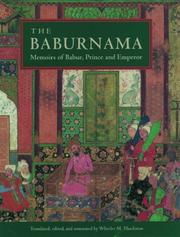
Now the primary voices, a rare treasure for any premodern empire. The Baburnama is the candid memoir of the founder, Babur, one of history's most vivid autobiographies, and The Tuzuk-I-Jahangiri gives you the emperor Jahangir's own diary of rule, art, and observation. For narrative sweep across the whole dynasty, The Mughal throne by Abraham Eraly is a superb, readable history of the emperors from Babur to Aurangzeb.
Art, greatness, and decline
The final arc turns to legacy and end. The empire's visual achievement is captured in Mughal architecture and The Art of the Mughal Empire, which together reveal why Mughal building and painting still define India's image of splendor. On the leading figures, Akbar and the rise of the Mughal empire studies the ruler who consolidated the state, and Aurangzeb reconsiders its most controversial emperor with fresh scholarship. Close with The last Mughal, William Dalrymple's moving account of the dynasty's final ruler and the 1857 uprising that ended it, and Mughal India: Art, Culture and Empire, a rich survey that ties the whole civilization together.
Read in this order, the Mughals become a legible dynasty rather than a jumble of exotic names. Follow the full path to work through it reign by reign.
Follow the full reading path →
Ready to learn something deeply?
Build a reading path — free