The story of apartheid can be told as policy and dates, but that version misses what made it monstrous and what made its ending extraordinary. The subject asks to be entered through human experience first, then understood as a system, then followed through the long struggle to dismantle it and the fraught work of reconciliation. Read in that order and both the cruelty and the hope land with full force.
This path begins in one life, widens to the whole regime, and closes on the transition to freedom.
Enter through a life
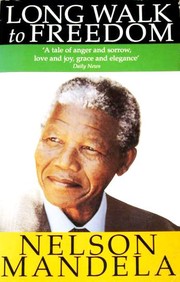
Start with Kaffir Boy, Mark Mathabane's searing memoir of growing up under apartheid, which makes the abstraction of the system unbearably concrete. Then read Long Walk to Freedom, Nelson Mandela's autobiography — the indispensable account that carries you from rural boyhood through prison to the presidency, and the spine of the whole story. Together they give you a person and a lifetime before the analysis begins.
The system and its resisters
Now the structure. Apartheid a History lays out how the regime was built and maintained, and The mind of South Africa probes the psychology and ideology that sustained white rule. The resistance takes shape in The Testimony of Steve Biko, the words of the Black Consciousness leader killed in detention, and Part of My Soul Went with Him, Winnie Mandela's account of struggle and cost. Soweto: June 16, 1976 recounts the student uprising that became a turning point, told with the authority of someone who was there.
From struggle to reconciliation
The final arc reaches the transition. Tomorrow is another country chronicles the astonishing negotiated end of apartheid, and No future without forgiveness is Desmond Tutu's reflection on the Truth and Reconciliation Commission — the moral experiment of confronting the past without vengeance. Close with Country of my skull, Antjie Krog's harrowing, essential account of that Commission's hearings, which captures both the wounds and the fragile hope of a nation trying to heal.
Read in this order, apartheid and its end become a story of human beings under an inhuman system and the improbable path they found out of it. Follow the full path to work through it stage by stage.
Follow the full reading path →
Ready to learn something deeply?
Build a reading path — free