The attacks of September 11 and the wars that followed generated a mountain of books, and picking them at random produces a distorted picture. The subject is fundamentally a chain of cause and consequence — a decades-long backstory, a single catastrophic day, and two long wars whose effects are still unfolding. Read it in that order and the whole era becomes coherent.
This path moves from the origins of the threat through the attacks and the official reckoning into the wars and their long tail.
The road to 9/11
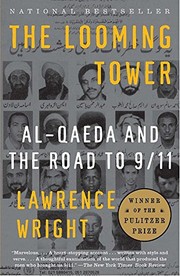
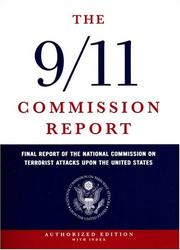
Start with The Looming Tower, Lawrence Wright's Pulitzer-winning account of the rise of al-Qaeda and the intelligence failures that preceded the attacks — the essential foundation. Then read The 9/11 Commission Report, the official investigation itself, which remains a remarkably clear and authoritative narrative of what happened and why. To go deeper into the region's back-story, Ghost Wars traces the CIA's long entanglement in Afghanistan that set the stage, and Taliban explains the movement that gave al-Qaeda its haven.
Into the wars
Now the decisions and the fighting. Plan of attack is Bob Woodward's inside account of how the Iraq War was decided, and Fiasco is the definitive critical history of how that war was waged and went wrong. For the ground truth, The forever war delivers unforgettable frontline reporting from Afghanistan and Iraq, and Imperial Life in the Emerald City exposes the surreal failures of the occupation of Baghdad. Together they move from the war rooms to the streets.
The long consequences
The final arc reckons with what it all meant. Drift argues that the era quietly transformed how America goes to war, and The way of the strangers investigates the ideology of the militants who emerged later, keeping the threat in view even as the wars wound down. Close with The longest war, Peter Bergen's comprehensive account of the whole struggle from 9/11 onward — the synthesis that ties the chain together.
Read in this order, the post-2001 world stops being a jumble of headlines and becomes a legible history of cause and consequence. Follow the full path to work through it stage by stage.
Follow the full reading path →
Ready to learn something deeply?
Build a reading path — free