Modern Turkey rose from the collapse of the Ottoman Empire, and you cannot understand the republic without first understanding the empire it replaced and rejected. Its history is a study in transformation: from a multi-ethnic imperial state spanning three continents to a self-consciously modern, secular nation, and then to the more complex country of today. Reading it in order, empire first, makes each later turn legible. This is contested terrain in places, so balanced and varied sources matter.
The path runs from the Ottoman apex through its fall to the founding of the republic and its modern evolution.
Understand the empire
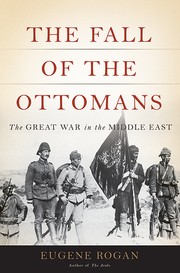
The Ottoman Empire: The Classical Age, 1300-1600 by Halil Inalcik is the authoritative account of the empire at its height, by its greatest historian. The Fall of the Ottomans by Eugene Rogan tells the wrenching story of the empire's end during the First World War. These two frame the world the republic was born from.
Meet the founder and the republic
Atatürk by Andrew Mango is the definitive modern biography of Mustafa Kemal, the soldier-statesman who built the republic. Ataturk: The Rebirth of a Nation by Patrick Kinross is the classic earlier life, still vivid and widely loved. A History of Modern Turkey by Erik Jan Zurcher is the standard scholarly survey of the republican era and its origins, and Turkey by Norman Stone offers a brisk, opinionated overview.
Reckon with the modern country
The Turkish Labyrinth by James Pettifer explores the tensions of late-twentieth-century Turkey. Two harder subjects deserve honest treatment: The Young Turks' Crime Against Humanity by Taner Akcam examines the Armenian genocide with scholarly rigor, and Islam in Turkey draws on the work of Serif Mardin on religion and society, a theme central to Turkey's identity debates. Finally Snow by Orhan Pamuk, the Nobel laureate's novel, dramatizes the clash of secularism, Islam, and nationalism in the modern republic.
Read in this order and empire and republic connect. Follow the full path to keep the story continuous.
Follow the full reading path →
Ready to learn something deeply?
Build a reading path — free