Afghanistan is frequently reduced to its most recent conflicts, but its history is far older and more complex: a crossroads of empires, a mosaic of peoples, and a land whose geography has shaped its politics for centuries. Reading its history in order, rather than parachuting into the latest war, lets the deep structure explain the surface events. It is a subject that rewards patience and balance, and where honest, varied sources matter.
The path moves from cultural and imperial foundations through the twentieth century to the Taliban era and the long international involvement, so each modern chapter has its context.
Begin with land, culture, and empire
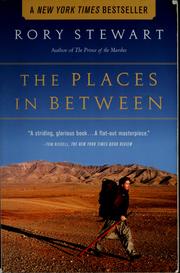
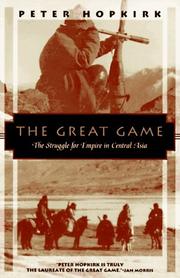
Places in Between by Rory Stewart is a walk across Afghanistan just after 2001 that conveys its landscape and human texture better than any survey; it is a fine, humane entry point. Afghanistan: A Cultural and Political History by Thomas Barfield supplies the essential scholarly foundation on the country's peoples and political traditions. The Great Game by Peter Hopkirk narrates the nineteenth-century imperial rivalry that drew Afghanistan into world politics, and The Return of a King by William Dalrymple tells the story of the disastrous First Anglo-Afghan War with novelistic sweep.
Understand the modern conflicts
The recent tragedy has its roots in the Cold War. Ghost Wars by Steve Coll is the definitive account of foreign involvement from the Soviet invasion to the eve of 2001. The Kite Runner by Khaled Hosseini, though fiction, conveys the human cost of these decades to millions of readers. Taliban by Ahmed Rashid remains the essential book on the movement's origins, and The Taliban Revival by Hassan Abbas updates the story with the resurgence.
Reckon with the American war
The Forever War by Dexter Filkins is the vivid frontline reporting of the post-2001 conflict. No Good Men Among the Living by Anand Gopal tells the war through Afghan lives, complicating the official narrative. The Afghanistan Papers by Craig Whitlock documents, through internal records, how the long war was misrepresented to the public.
Read in this order and the headlines gain a history. Follow the full path to keep the context intact.
Follow the full reading path →
Ready to learn something deeply?
Build a reading path — free