Egypt has one of the longest recorded histories on earth, but its modern story, the making of the nation-state, is a distinct and dramatic subject: the rise of a modernizing dynasty, British occupation, the revolution of 1952, and the upheavals of the twenty-first century. Reading it in order shows how each transformation grew out of the last, so the Arab Spring is not a rupture but a chapter in a long argument about how Egypt should be ruled. Balanced, varied sources matter for a subject this contested.
The path moves from the deep and Ottoman background through the era of Nasser to the modern state and its discontents.
Establish the foundations
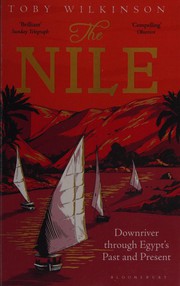
Egypt by James Jankowski is a concise, reliable survey that frames the whole modern story. The Nile by Toby Wilkinson connects Egypt's civilization to the river that made it, a fine long view. Egypt in the Age of the Ottomans by P. M. Holt covers the crucial early-modern centuries, and Egypt: The Moment of Reform by Khaled Fahmy examines the modernizing state built by Muhammad Ali. Lord Cromer by Roger Owen studies the British occupation through its most powerful administrator, and The Arabs: A History by Eugene Rogan sets Egypt within the broader Arab world.
Live through the age of Nasser
The 1952 revolution reshaped everything. Nasser: The Last Arab by Said Aburish is a vivid biography of the leader who defined Arab nationalism, and Suez, the Double War by Roy Fullick recounts the 1956 crisis that announced Egypt's new place in the world. In Search of Identity by Anwar Sadat gives his successor's own account of the turn that followed.
Reach the modern reckoning
Egypt on the Brink by Tarek Osman analyzes the society on the eve of upheaval. The Struggle for Egypt by Steven Cook traces the long contest for the country's soul into the modern era. Children of the Movement by Alaa Al Aswany, a leading novelist, conveys the texture of contemporary Egyptian life and dissent.
Read in this order and modern Egypt coheres. Follow the full path to keep the arc unbroken.
Follow the full reading path →
Ready to learn something deeply?
Build a reading path — free