Pakistan was created in 1947 as a homeland for the Muslims of British India, and almost every later tension, from the role of the army to the meaning of the state's Islamic identity, traces back to questions present at its founding. Reading its history in order lets those founding questions frame the modern struggles rather than appearing out of nowhere. It is a subject that benefits from balanced, varied voices, including Pakistani ones.
The path runs from Partition and the founder through analyses of the state and the military to the modern crises that follow from them.
Start at the founding
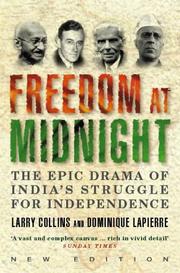
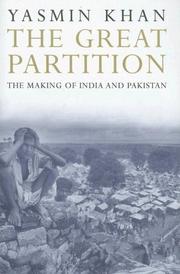
Freedom at Midnight by Dominique Lapierre and Larry Collins is a sweeping, popular narrative of the end of the British Raj and the birth of India and Pakistan; a gripping way in, if a dramatized one. The Great Partition by Yasmin Khan is the essential scholarly account of Partition and its human catastrophe. Jinnah of Pakistan by Stanley Wolpert is the standard biography of the founder whose vision still defines the debate over what Pakistan is for.
Analyze the state and its idea
Pakistan by Anatol Lieven is a perceptive portrait of how the society actually works beneath its turbulent politics. The Idea of Pakistan by Stephen Cohen probes the identity and direction of the state itself. Because the army looms so large, Military Inc. by Ayesha Siddiqa is indispensable on the military's grip over the economy and politics, and In the Line of Fire by Pervez Musharraf offers a former ruler's own contested account.
Follow the modern crises
Descent into Chaos by Ahmed Rashid connects Pakistan to the wider regional turmoil after 2001. The Thistle and the Drone by Akbar Ahmed examines the tribal periphery and the costs of the drone war. Two books by Husain Haqqani sharpen the picture from an insider critic: Pakistan on the army-mosque alliance, and Magnificent Delusions on the fraught relationship with the United States.
Read in this order and the present becomes legible. Follow the full path to keep the thread whole.
Follow the full reading path →
Ready to learn something deeply?
Build a reading path — free