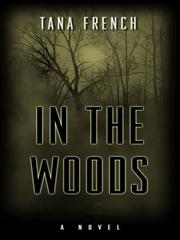
Start with In the Woods, the 2007 first novel, and read all six in publication order. Two things about this series decide whether readers love it or abandon it in fury, and both are better known in advance.
The first: these six novels are linked, not serialised. Each one is narrated by a different detective, and that narrator is usually a secondary or actively unlikeable figure from the previous book, now handed the microphone. There is no ongoing case, no arc plot and no cliffhangers. What carries over is people — you meet someone through a narrator who dislikes them, and then you spend the next book inside their head. A reader expecting to follow one protagonist across six books will spend the whole series confused. Read in publication order anyway, because half the pleasure of each book is recognising the narrator and knowing in advance exactly how unreliable they are and why.
The second, and the one that makes people throw the book across the room: In the Woods has two mysteries, and the older one is never solved. Rob Ryan was found as a child in a wood with blood in his shoes and his two friends gone, and the novel does not explain what happened to them. Not ambiguously, not by implication — it simply does not tell you. The present-day murder is solved; only the 1984 disappearance is left open. That is a deliberate decision about what the book is about, and knowing it in advance is the difference between a devastating ending and a betrayal.
The first two
In the Woods is long and its middle third is slow, so give it time rather than pushing through in a weekend. Rob Ryan is a liar and tells you so; French's narrators habitually withhold from the reader as well as from their colleagues, and the withholding is characterisation rather than a trick.
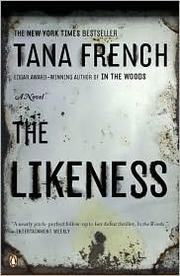
The Likeness requires a large suspension of disbelief up front. Cassie Maddox goes undercover as a murder victim who was her physical double and was living under an identity Cassie herself invented. Accept the premise in the first twenty pages or the book will not work at all. Most readers who accept it consider it the best of the six.
The middle two
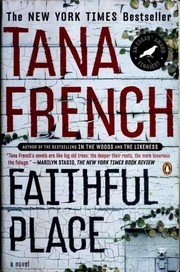
Faithful Place is narrated by Frank Mackey, the undercover boss who was a minor and slightly monstrous presence in The Likeness. It sends him back to the working-class Dublin street he escaped at nineteen, when a suitcase turns up in a derelict house. The family scenes are the best writing in the series and are genuinely hard to read.
Broken Harbor is narrated by the rule-following prig from Faithful Place, the squad's most successful detective, and systematically dismantles him. It is set on a half-built ghost estate abandoned when the Celtic Tiger economy collapsed, and is explicitly about what the crash did to people who did everything they were told. It is the bleakest of the six, so do not read it straight after a bad week. Some editions are titled Broken Harbour; same book.
Both of these resolve their murders cleanly, which is the reassurance that French can close a case when the story wants it closed.
The last two
The Secret Place is set in a girls' boarding school and has the series' most ambitious structure: present-day interviews across a single day, interleaved with chapters following the girls in the year before the murder. It is also the one book with a supernatural element that is never explained away, which divides readers sharply.
The Trespasser is narrated by Antoinette Conway, who arrives in the previous book as a prickly, isolated partner. It is the most claustrophobic of the six and the closest French comes to a workplace novel: the investigation is almost secondary to the question of whether Conway is being sabotaged or is paranoid. It closes the sequence, there is no seventh novel, and it is not a cliffhanger.
French's real subject across all six is not detection. It is obsession, class, and the way people build a self out of a place they cannot go back to.
The standalones
The Witch Elm is her first novel outside the squad and is narrated by a victim rather than a detective — a lucky, likeable man whose luck runs out. The Searcher and The Hunter are a linked pair set in rural County Mayo, following a retired Chicago policeman, and are slower, quieter and closer to a western than to a procedural. Read The Searcher before The Hunter; the others can go in any order.
Browse more crime fiction reading paths on Discover.
Follow the full ordered path here: Dublin Murder Squad Reading Order and Guide.