Start with the second book, The dark is rising, and go back for the first one afterwards. That will look like a mistake on the shelf, so here is the reasoning.
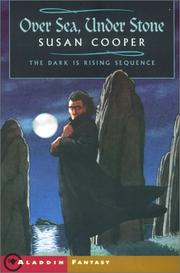
Over Sea, Under Stone came out in 1965 as a standalone children's holiday adventure: three siblings in Cornwall, an old manuscript, some unpleasant adults, no magic system, no Old Ones, no Light and Dark. Susan Cooper only decided it was the first volume of a sequence eight years later, when she wrote The dark is rising — a different, stranger and far better book. Opening with the 1965 novel front-loads the weakest volume and misrepresents what the sequence actually is.
The honest counter-case: reading in strict publication order is not wrong, thousands of people have done it happily, and one reveal does land better that way round. It simply means your first impression of a sequence about deep mythic time is a competent Cornish treasure hunt. If you are reading aloud to a child who will not tolerate a detour, publication order is perfectly defensible. For an adult picking these up for the first time, start at book two.
Start with book two
The dark is rising is where everything that defines the sequence is established. Will Stanton wakes on his eleventh birthday as the last of the Old Ones, and an ordinary Buckinghamshire village turns into a battlefield.
The real subject is landscape. Cooper writes English snow, chalk downland and the Thames valley with almost documentary attention, and the mythic material rises out of the geography rather than being imposed on it. And the Light is not comfortable: her Old Ones are ruthless, they use people, and Will is repeatedly told that individual human feeling does not weigh against the work. This is one of the very few children's books where the good side is genuinely cold.
Read it in late December if you can. The story runs across the twelve days from Midwinter Day to Twelfth Night, and reading it in season is not a gimmick — it changes the book.
Then go back
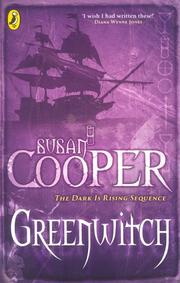
Over Sea, Under Stone, then Greenwitch, read close together.
Read third rather than first, the 1965 novel reads as the charming prequel it effectively became, and its one genuinely mythic element becomes visible immediately: Great-Uncle Merry is Merriman Lyon, and you already know what that means. Its pleasures are real but modest — Cornish coast, a treasure hunt, a threatening vicar, tide tables. The Drew children are ordinary in a way Will is not, and the sequence needs them for exactly that reason.
Greenwitch is only a hundred and forty-eight pages and reads in a single afternoon. It is the joining book: Will and the Drews meet, and Jane's small act of ordinary sympathy toward a made thing turns out to matter more than any of the Old Ones' manoeuvring. It also introduces the Wild Magic, which belongs to neither side and is the sequence's best idea. You must have read both earlier books before this one, which is the practical reason this path does not simply skip Over Sea, Under Stone altogether.
The sequence finishes
The Grey King won the Newbery Medal in 1976 and is, for many readers, the best book Cooper wrote. It moves to Wales, slows down enough to let the landscape do the work, and gives Will a genuine equal in Bran Davies — the sequence's best character. Welsh names arrive thickly here; look up the pronunciation once at the start rather than mentally skipping them for two hundred pages. Be warned that this volume contains the sequence's cruellest scene, involving Bran's dog. It is not gratuitous and it is the moment the books stop protecting their readers.
Silver on the Tree gathers every character and thread from all five books and is the most divisive volume. Some readers find it a magnificent culmination; many find it rushed, crowded and abstract in its final third. Its ending makes a choice about memory that a lot of readers find genuinely upsetting, and it is the single most argued-about thing in the sequence. Go in knowing there is a choice being made rather than a mistake.
Afterwards
Seaward is Cooper's strangest book, a standalone about two children crossing an allegorical landscape, and it is closer to a dream than a plot. The Boggart is much lighter — a Scottish house spirit accidentally shipped to Canada — and is very funny. King of Shadows sends a modern boy back to Shakespeare's Globe and is her best-constructed standalone.
Then read Alan Garner's The owl service, which is the other great British children's book built out of Welsh myth, and is harder, shorter and colder than anything Cooper wrote.
Browse more fantasy reading paths on Discover.
Follow the full ordered path here: The Dark Is Rising Reading Order and Guide.