The Civil Rights Movement is often compressed into a few iconic images and one famous speech. Read it in a fuller order and it becomes what it actually was: a long, disciplined, dangerous mass movement powered by ordinary people, in which the famous leaders were the visible tip of a much deeper effort.
Order matters because the movement had both a grand narrative and countless local ones, and the truth lives in the tension between them. This path starts with firsthand voices, moves to the definitive sweeping histories, then follows the story into the present, where its work remains unfinished.
Firsthand voices
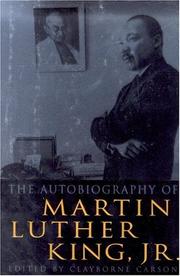
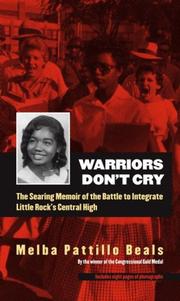
Begin with The autobiography of Martin Luther King, Jr. by Martin Luther King Jr., assembled from his own words, which grounds the movement in the thinking of its central figure. Then read Warriors Don't Cry by Melba Patillo Beals, the harrowing memoir of desegregating Little Rock's Central High as a teenager, which makes the personal stakes unforgettable.
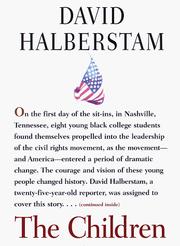
The children by David Halberstam follows the young activists of the Nashville sit-ins who became movement leaders, showing how the struggle trained a generation.
The definitive histories
For the full narrative, Eyes on the prize by Juan Williams, the companion to the landmark series, is the ideal accessible overview. Then commit to Taylor Branch's monumental account of the King years: Parting the Waters: America in the King Years 1954-63 is the first volume of the greatest history of the movement ever written.
To keep the local struggle in view, Ready from within by Septima Poinsette Clark and Local people by John Dittmer recover the grassroots organizers, especially in Mississippi, without whom the national victories would have been impossible.
The long shadow
Complete Branch's epic with At Canaan's Edge: America in the King Years 1965-68, which carries the story to Memphis and King's assassination. Then widen the lens: The Warmth of Other Suns by Isabel Wilkerson tells the Great Migration that reshaped Black America and set the stage, and The New Jim Crow by Michelle Alexander argues powerfully that the movement's work continues in the fight against mass incarceration today.
Read this path in order and the Civil Rights Movement stops being a closed chapter and becomes a living, collective struggle that runs from Little Rock to the present. Follow the full sequence to see it whole.
Follow the full reading path →
Ready to learn something deeply?
Build a reading path — free