The Korean War is called the Forgotten War, wedged between the moral clarity of World War II and the trauma of Vietnam. Read it in a proper order and it stops being forgettable: it was the first hot war of the nuclear age, it set the template for Cold War containment, and it left a division that still threatens the world.
Order matters because Korea is easy to misread as a self-contained three-year fight. This path builds the sweeping picture first, then the brutal specifics of the fighting, then the long aftermath, so the war's ongoing consequences come into focus.
The big picture
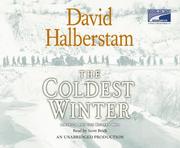
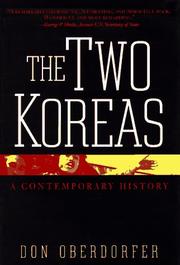
Start with The Coldest Winter by David Halberstam, a masterful, character-rich narrative that is the best single introduction to the war and its politics. Then read Korea by Jon Halliday for a compact, well-illustrated overview, and The two Koreas by Don Oberdorfer for how the conflict hardened into the enduring standoff we know today.
For the deep background on Korea itself, Korea's Place in the Sun by Bruce Cumings tells the modern history of the peninsula that the war grew out of and is essential for understanding why it happened at all.
Inside the fighting
The combat in Korea was some of the harshest of the century. This kind of war by T. R. Fehrenbach is the classic, unsparing account of the ground fighting and its lessons, and The Korean War by Max Hastings gives a vivid, balanced narrative history of the campaigns from a master of the form.
The wider forces and the aftermath
Korea was never only a Korean war. Mao's War against Korea by Russell Spurr recovers the Chinese intervention that transformed the conflict, and The Korean War, also by Bruce Cumings, argues provocatively that the war's origins and meaning have been badly misunderstood in the West.
Close with the unfinished present. The impossible state by Victor D. Cha explains the North Korea the war created and why it endures, and The endgame by Michael R. Gordon extends the story toward the nuclear crises that keep the peninsula on a knife's edge.
Read this path in order and the Korean War reveals itself as anything but forgotten, the conflict that froze the Cold War in place and left a fuse still burning. Follow the full sequence to understand why it still matters.
Follow the full reading path →
Ready to learn something deeply?
Build a reading path — free