Start with The Remains of the Day. An English butler drives across the West Country in 1956 and, sentence by careful sentence, gives away a life spent serving the wrong man. Nothing in it is hard to read and nothing in it is easy to forget, which is precisely the combination that gets a reader to a second Booker winner. It also introduces the device the prize rewards more than any other: a narrator who is wrong about his own life.
Do not start with Milkman. It was widely called unreadable when it won and widely called a masterpiece since, and both reactions come from the same forty opening pages of unbroken paragraphs in which nobody is given a name. The difficulty is real, it does end, and it is far more bearable once you have read four or five winners and know what the prize is willing to hand its money to. The same goes for The Sellout, whose opening many readers cannot finish.
What the Booker is, and what changed in 2014
Awarded every year since 1969 to a single novel, by a jury that is replaced annually. That last detail explains almost everything about the list: there is no consistent taste to discover, so reading the winners chronologically produces whiplash rather than a sense of the prize.
Until 2014 only writers from the Commonwealth and Ireland were eligible. Opening the prize to any novel written in English and published in Britain remains its most contested decision, with critics arguing that a British prize was effectively handed to American publishing, and defenders arguing that a prize for English-language fiction that excluded most English-language fiction was indefensible. Both cases are still live; the winners since have not settled it.
The winners that invite you in
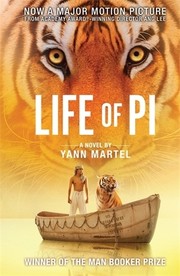
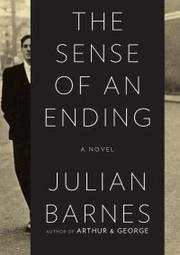
After Ishiguro, read Life of Pi — a boy in a lifeboat with a tiger, genuinely propulsive, and ending in a twist that is really an argument about what fiction is for. That argument is the one the rest of this path keeps having, which is why it belongs early. Then The Sense of an Ending, under two hundred pages about a retired man discovering he misremembered his own youth, and that the misremembering was not innocent. Julian Barnes won on his fourth shortlisting, an early lesson in how much the prize records juries rather than writers.
The winners the prize is remembered for
Midnight's Children won the Booker of Bookers and then the Best of the Booker, so by the prize's own repeated verdict it is the definitive Booker novel: India's independence told through a boy born at midnight, in prose that never stops talking. The God of Small Things is a first novel written in a private English of invented compounds, and proof that the prize will crown a debut outright. The English Patient is the first book here that withholds its own structure, which makes it good training. Wolf Hall stays so completely inside Thomas Cromwell's head that Hilary Mantel's much-discussed floating pronoun becomes a technique rather than a slip.
The difficult and the divisive
The Sellout was the first American winner after the rule change, and its satire is deliberately hard to like. Milkman narrates the Troubles through an unnamed young woman in a book where no one is named. Lincoln in the Bardo is told entirely in the voices of ghosts and in fragments of real and invented sources — read it after Milkman, which trains you to accept a novel that refuses to explain itself.
The re-judged winners
Finish with three that fell out of the conversation. Troubles lost its year when the prize moved to same-year judging and was awarded retrospectively decades later — a winner that existed for forty years without its prize. Moon tiger was an upset that was forgotten for twenty years and is now the standard example of the Booker rewarding a quiet book over a loud one. The Bone People was published by a small feminist collective after the major houses passed, and remains the most contested winner in the prize's history, for its violence, its structure, and later for questions raised about its author.
If you want the same century judged by a different committee, the Nobel Prize in Literature path runs alongside this one.
Follow the full ordered path here: The Booker Prize Winners: Where to Start, and What Order to Read Them In.
Ready to learn something deeply?
Build a reading path — free