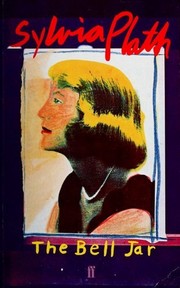
Start with The Bell Jar, then read Ariel. The poems are the reason anyone comes to Plath at all, but the novel is the easier door, because it supplies the biography in her own framing — the magazine internship, the breakdown, the hospital — so the poems do not have to do that job as well. Reading Ariel second also means you never encounter the early work as homework.
A plain warning first. The Bell Jar narrates a suicide attempt in clinical detail, and the Ariel poems return repeatedly to dying and to attempted death. Plath died by suicide in February 1963, a month after the novel was published in London under the pseudonym Victoria Lucas. If you are unwell, this is not the shelf for right now.
Stage one: the novel, then the last poems
The Bell Jar moves like a novel and most readers finish it in a week of ordinary evenings. New readers braced for a misery memoir are usually surprised by how funny the first half is; Esther Greenwood is a very sharp comic observer, and the comedy is what makes the collapse land.
Ariel is ninety-six pages and needs two weeks. Three or four poems a night, read aloud, then the same ones again the following night. The Ariel voice is fast, short-lined and hammering, full of rhyme you hear rather than see, and read silently in one sitting it turns into noise.
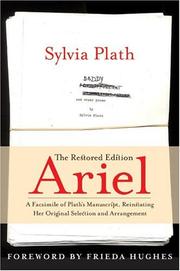
Which Ariel you are holding changes what you read
This is the one genuine complication in Plath, and it is worth knowing before you buy. Plath left a manuscript with an order she had chosen. She died before it was published. Her husband, the poet Ted Hughes, controlled her estate and her literary papers as her legal spouse, and it was he who assembled the 1965 book: he changed her ordering and dropped some poems. Her own arrangement has since been published separately as a restored edition. Either is a real book; check the contents page so you know which one you have.
The same fact governs the prose. The Journals of Sylvia Plath is catalogued here under Hughes because he edited it, and the first published journals in 1982 were abridged under his control of the estate before a substantially fuller edition appeared later. Hughes has stated that he destroyed the journal covering the last months of her life, saying he did not want their children to read it, and that another volume went missing. Those months therefore have no diary. Hughes gave his own account of the marriage in Birthday Letters, published in 1998. The arguments about all of this have run for sixty years; this guide states the facts and does not adjudicate them.
Stage two: the poems in the order she wrote them
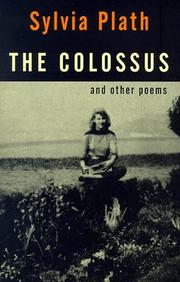
Now go back. The Colossus and Other Poems is the only collection Plath published in her lifetime, and it is a book of exercises done in public — tight stanzas, counted syllables, Roethke and Yeats audible. Read the title poem aloud immediately after Daddy and the whole argument of this stage takes five minutes.
Crossing the Water gathers the transitional poems and is the hinge; you can watch the syntax start to snap mid-line. Winter Trees holds late poems that did not go into Hughes's Ariel, plus the verse play Three Women, written for radio and close to inert when read silently. Both are posthumous gatherings, so read them as collections of poems rather than as designed books.
Stage three: the life, and where to stop
The Journals of Sylvia Plath is the single most useful book about Plath, and Plath wrote it. Read after the poetry it works as a workshop rather than a long suicide note: you recognise images being assembled months before they surface. Letters Home is the letters to her mother, selected and edited by her mother, and is an argument as much as a document.
Johnny Panic and the Bible of Dreams collects the short prose and is for completists. The Collected Poems Of Sylvia Plath, edited by Hughes, won the Pulitzer in 1982 and is where to go if you want everything in one place — but it is the wrong first purchase, because it flattens the sequence that makes the change in her audible.
Browse more author reading paths on Discover.
Follow the full ordered path here: Sylvia Plath Reading Order: Where to Start.