Most YouTube channels die within ten videos, and rarely from lack of talent. They die from perfectionism, which means never publishing, or from algorithm-chasing, which means publishing soulless content nobody asked for. The cure for both is the same, and it is why order matters in this reading path: build the creative practice first, learn story second, and study growth last — because growth tactics applied to weak content just scale the weakness.
There is a second reason for the order. Every tactics book on this list is older than the platform's current recommendation system, and that is fine, because the durable half of each one is about human attention rather than about YouTube. Read them for the half that does not expire.
Stage 1: start making things
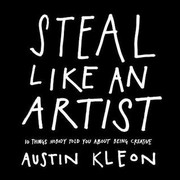
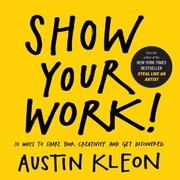
Steal like an artist by Austin Kleon dismantles the myth of originality that keeps beginners paralyzed: influence is raw material, and your job is to remix it honestly. Its companion, Show Your Work!, is practically a YouTube manifesto — share the process, not just the polish, and let an audience find you while you are still learning. Then read The War of Art by Steven Pressfield, the sternest and best book about the resistance you will feel before every upload. It names the enemy so you can publish anyway.
Stage 2: learn to hold attention
Retention is storytelling, full stop. Storyworthy by Matthew Dicks teaches the working mechanics of personal narrative — stakes, five-second moments, starting in motion — and translates directly to talking-head video. Go deeper with Story by Robert McKee for the full structural theory screenwriters live by; even a partial read changes how you script.
Building A StoryBrand by Donald Miller is the applied, commercial version of the same idea: make the viewer the hero and yourself the guide. It is written for business messaging and it is formulaic by design, which is exactly its use here — it is the fastest way to fix a channel description, an intro, or a series premise that never says what the viewer gets.
Stage 3: make ideas travel
Made to stick by Chip Heath explains why some ideas lodge in memory — simple, unexpected, concrete — and doubles as a thumbnail-and-title masterclass. Contagious by Jonah Berger covers why people share, which is the honest version of going viral.
Jab, jab, jab, right hook by Gary Vaynerchuk is the platform-native argument: give far more than you ask for, and shape each post to the native language of the platform it lives on. Its specific examples are badly dated now, and the underlying ratio is not. Read it fast, take the principle, ignore the screenshots.
Hooked by Nir Eyal is the odd one out and the one to read most carefully. It is a product-design book about building habit loops — trigger, action, variable reward, investment — and it explains the mechanics of a returning audience better than any creator book on this list. It also explains, uncomfortably, how the feed you are competing with is built. Eyal added an ethics chapter for a reason; the honest use of this book is to design a series people look forward to, not to engineer compulsion.
Finally, The $100 startup by Chris Guillebeau reframes the channel as a small business: audience, offer, and income without waiting for a million subscribers.
How to actually study this
Publish while you read — one video per book, minimum. After stage 1, commit to a schedule you can sustain for a year. After stage 2, rewrite one old script using what you learned and compare the retention graphs. After stage 3, write ten titles for every video and test your best two. The books compound only when each idea hits a real upload within a week, and no book on this shelf can promise you an audience.
The staged plan, with study notes per stage, is the full reading path. Neighboring skills — editing, storytelling, the wider creator economy — sit alongside it, or build your own list.