The phrase "personal brand" makes most people cringe, and for good reason: the internet is full of people performing expertise they don't have. But the underlying skill is real and increasingly non-optional — freelancers, job changers, and founders all get chosen partly on reputation that arrives before they do. The trick is that branding books read in the wrong order produce exactly the cringe you fear: tactics before substance, megaphone before message.
Personal Branding Books: A Reading Order That Opens Doors
July 11, 2026 · 2 min read
Why order matters here
Broadcast tactics amplify whatever you feed them. If you haven't done the positioning work first, you'll amplify noise. The sequence that works runs inward-out: know what you actually offer, define a position, learn to communicate it, then — and only then — build distribution and an audience.
Stage 1: Raw material
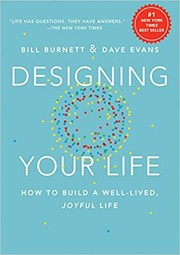
Start with Strengths Finder 2.0 by Tom Rath, a short assessment-driven book that forces you to name what you're genuinely good at instead of what you wish you were good at. Pair it with Design Your Life by Bill Burnett, which brings a prototyping mindset to career direction — you test small versions of a path before committing your identity to it.
Stage 2: Position and message
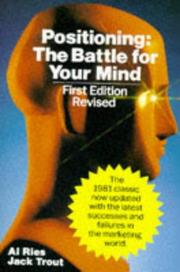
Positioning by Al Ries is a marketing classic for products, and nearly everything in it transfers to people: you don't own a brand, you own a slot in someone's mind, and clarity beats cleverness. Then KNOWN by Mark Schaefer gives the personal-brand-specific frame — pick a sustainable interest, a space you can plausibly own, and show up consistently. Building a StoryBrand by Donald Miller adds the messaging discipline: you are the guide in your customer's story, not the hero of your own.
Stage 3: Make things people can find
A brand with no work attached is a rumor. Show Your Work! by Austin Kleon is the best short book ever written on sharing your process without self-promotion nausea — read it twice. Then On Writing Well by William Zinsser, because clear prose is the load-bearing skill of every platform you'll ever use, and most personal brands die of vague writing.
Stage 4: Distribution and durability
Now the audience mechanics. Superfans by Pat Flynn argues for depth over reach — a small group that genuinely cares beats a large one that doesn't. Jab, Jab, Jab, Right Hook by Gary Vaynerchuk covers native social content and the give-before-you-ask rhythm; its examples have aged, its core ratio hasn't. Expert Secrets by Russell Brunson shows how audience attention converts into offers — read it critically, as its hard-sell style is a choice, not a law. Close with The Long Game by Dorie Clark, the antidote to all the urgency: reputations compound over years, and strategic patience is the moat.
How to actually study this
Ship as you read. After stage one, write a one-paragraph positioning statement. After stage three, publish something small weekly — the books only compound if there's public work for them to compound on. Revisit your positioning statement every ten pieces; it will sharpen.
The complete sequence with per-stage study plans is the full reading path. Related reading lives at the subject hub, or build your own list from books you already trust.
FAQ
- Do I need a personal brand if I'm not an influencer?
- A personal brand is just your professional reputation, made findable. Anyone who gets hired, funded, or referred benefits from being known for something specific.
- What is the first step in building a personal brand?
- Positioning, not posting. Decide what specific thing you want to be known for and who it serves — every book and tactic downstream depends on that choice.
- How long does it take to build a personal brand?
- Expect years, not months. Dorie Clark's The Long Game argues reputations compound slowly and then suddenly — consistency beats intensity.
Get the books
- 1Strengths Finder 2.0Amazon ↗Tom Rath
- 2Design your lifeAmazon ↗Bill Burnett
- 3PositioningAmazon ↗Al Ries
- 4KNOWNAmazon ↗Mark W. Schaefer
- 5Show Your Work!Amazon ↗Austin Kleon
- 6Building A StoryBrandAmazon ↗Donald Miller
As an Amazon Associate we earn from qualifying purchases. Some book links are affiliate links; you pay the same price and we may earn a small commission.
Follow the full reading path

Build a personal brand that opens doors
Beginner11books66 hrs5 stages
@worksherpa♥ 0
Ready to learn something deeply?
Build a reading path — free