Most podcasts are abandoned within their first ten episodes. The failure is rarely audio quality, and it is never the microphone. Shows die because the host never learned story structure, never defined who the show was for, and never built a schedule they could sustain. All three are learnable from books, and the order you learn them in matters: gear obsession first is procrastination, and marketing first is pointless when there is nothing worth marketing.
Podcasting books: launch a show people subscribe to
July 11, 2026 · 2 min read
Stage 1: learn the craft of audio storytelling
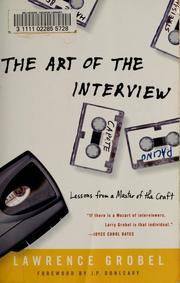
Start with Out on the wire by Jessica Abel, a graphic-novel-format tour of how the best narrative audio shows actually get made, from story selection to structure to editing. It demystifies the craft faster than any prose book on the subject. Her companion volume Radio is a shorter primer worth reading alongside it. Then, because most independent shows live or die on conversation, read The art of the interview by Lawrence Grobel. Grobel interviewed everyone, and his core lessons hold for podcasting: research relentlessly, ask short questions, and let silence do the work.
Stage 2: develop a show, not just episodes
Make Noise by Eric Nuzum is the single best book on podcast development. Nuzum ran programming at NPR and Audible, and his exercises force clarity: describe your show in ten words, name the one listener you are making it for, and design a format you can repeat fifty times. Most people skip this stage; it is the stage that separates shows that grow from shows that drift.
Stage 3: earn and keep an audience
Superfans by Pat Flynn reframes growth away from download-count vanity and toward turning casual listeners into people who tell their friends. Then This is marketing by Seth Godin supplies the strategic layer: find the smallest viable audience, make something they would miss if it disappeared, and let word of mouth compound. Neither book is podcast-specific, which is precisely their value; they stop you from copying whatever growth hack is currently fashionable.
Stage 4: protect the schedule
Podcasting is a consistency game, and consistency is a calendar problem. Tranquility by Tuesday by Laura Vanderkam is a practical system for building weekly routines that survive real life. Recording, editing, and publishing on a repeatable weekly rhythm will do more for your show than any single creative decision.
How to actually study this
Do not read all seven books before publishing. Read Abel and Nuzum, then launch a three-episode pilot season to a small audience and finish the path while you produce. After each book, change exactly one thing about your show: tighten your interview prep after Grobel, rewrite your show description after Nuzum, add a listener call-to-action after Flynn. Ship weekly; review monthly.
The staged sequence with study plans per stage is in the full reading path. For adjacent skills, see the subject hub, or build your own list.
FAQ
- What equipment do I need to start a podcast?
- A quiet room and a decent USB microphone are enough. Every book on this path agrees that craft and consistency matter far more than gear.
- How long before a podcast grows an audience?
- Expect slow compounding over months, not weeks. Shows with a clear premise and a reliable schedule outgrow shows chasing viral moments.
- Should my podcast be interviews or narrative?
- Interviews are cheaper to produce; narrative is more distinctive. Make Noise walks you through choosing a format you can actually sustain.
Get the books
- 1Out on the wireAmazon ↗Jessica Abel
- 2RadioAmazon ↗Jessica Abel
- 3The art of the interviewAmazon ↗Lawrence Grobel
- 4Tranquility by TuesdayAmazon ↗Laura Vanderkam
- 5Make NoiseAmazon ↗Eric Nuzum
- 6SuperfansAmazon ↗Pat Flynn
As an Amazon Associate we earn from qualifying purchases. Some book links are affiliate links; you pay the same price and we may earn a small commission.
Follow the full reading path


Launch a podcast people subscribe to
Beginner7books43 hrs4 stages
@worksherpa♥ 0
Ready to learn something deeply?
Build a reading path — free