Yoga classes are wonderful and insufficient: you follow along, but the reasoning behind each pose — what it is doing, how to adapt it, what should come next — stays with the teacher. A home practice requires owning that understanding yourself, and that is precisely the thing books do better than videos.
The order here matters because most people start at the wrong end. They buy the encyclopedic reference, find four hundred poses photographed in positions they cannot approach, and quietly conclude yoga is not for them. Start instead with the book about adapting yoga to a person.
Foundations: principle before pose
Our yoga path opens with the tradition's most humane foundation, T. K. V. Desikachar's The heart of yoga, which teaches adapting the practice to the practitioner rather than the practitioner to the pose. It is short, and it reframes everything that follows.
For a genuinely beginner-shaped companion, the listing includes Tara Fraser's Yoga for You — a plain, well-illustrated starter book. Our catalogue record for it is garbled, with the subtitle run into the title, so search by the author's name rather than by the string you see. It does the one job the deeper books skip: showing an absolute beginner what a first month actually looks like.
The references you grow into
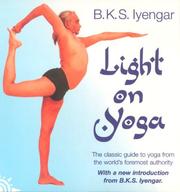
B. K. S. Iyengar's Light on Yoga is the encyclopedic standard — every asana, photographed and precisely described, with sequences at the back. Buy it, then use it as a dictionary rather than a curriculum. Silva Mehta's Yoga, published as Yoga: The Iyengar Way, is the friendlier version of the same lineage, with staged sequences and prop use laid out for people practising alone; between the two, this is the one you will open weekly.
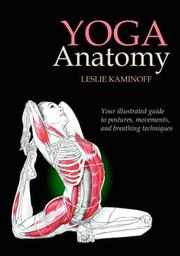
Yoga Anatomy by Leslie Kaminoff shows what is happening under the skin, which is how you learn to tell productive sensation from a warning. Katy Bowman's Alignment matters adds a biomechanist's honest and slightly sceptical lens, and is a good antidote to any single tradition's certainty about what a body should do.
Breath, philosophy, and staying with it
Donna Farhi's The breathing book covers the half of yoga most classes skip, and it is the book most likely to change what your practice feels like rather than what it looks like.
Then the tradition's root text. The Yoga Sutras of Patanjali in Sri Swami Satchidananda's translation is the standard entry point — the sutras with a working commentary, since the aphorisms are close to opaque on their own. It is a philosophical and ethical text, not a posture manual, and it explains why the physical practice was ever considered a small part of the thing.
Close with Meditations from the Mat, a page-a-day book of reflections designed to be read across a year alongside practice. It is there for the eleventh month, when the novelty is gone and the habit is doing all the work.
One plain caveat: books cannot see you. If you are pregnant, recovering from injury, or managing a joint or spinal condition, get eyes on your practice from a qualified teacher or clinician before working from a page.
The habit: same time, short, daily
The books agree with the research: a fifteen-minute daily practice beats a ninety-minute weekly one. Anchor it to something fixed — after coffee, before the shower — keep one simple sequence you know by heart, and let duration grow on the good days rather than negotiating it on the bad ones. Consistency is the actual advanced practice.
Nine books is roughly 90 hours of reading across months of mornings. Follow the full path — it pairs naturally with meditation, flexibility training, and tai chi.