The research keeps converging on an unglamorous conclusion: strength is among the strongest levers for how you age — bones, metabolism, balance, independence. And unlike most health advice, it has no age cutoff: muscle responds to progressive training at 40, 60, and 80. The barrier isn't biology; it's knowing how to start safely.
Build strength after 40 (muscle is the retirement account you can still open)
July 9, 2026 · 1 min read
The path, stage by stage
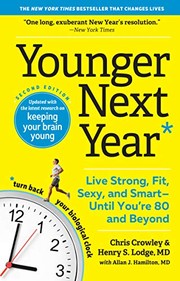
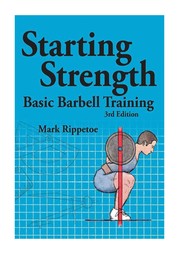
Our strength path opens with the why: Younger Next Year (the case that decline is 70% optional) and Peter Attia's Outlive, which reframes training as retirement planning for your body. Then the how: The Barbell Prescription — the definitive book on lifting past 40, written by physicians — with Mark Rippetoe's Starting Strength for the canonical technique instruction and Practical Programming for how progress actually gets organized. Kelly Starrett's Becoming a Supple Leopard covers the mobility that keeps it all comfortable.
The habit: add a little, forever
The entire method compresses to two words: progressive overload. Add a little weight, a rep, a set — small, boring increments, sustained for years. The books' deepest lesson is that consistency beats intensity every single time; the person who trains modestly twice a week for a decade wins.
About 110 hours of reading, best absorbed between sessions. Follow the path, and support it with flexibility work and real nutrition.
FAQ
- Is barbell training safe for beginners in midlife?
- With proper instruction, it’s among the safest activities per hour of participation — far safer than pickup basketball. The Barbell Prescription exists precisely to program for adult recovery rates and old injuries.
- Can I start if I’ve never exercised?
- Yes — you’re the exact reader these books were written for. Untrained beginners make the fastest progress of anyone ("newbie gains" don’t check your birth year).
Get the books
- 1Younger next yearAmazon ↗Chris Crowley
- 2The Barbell PrescriptionAmazon ↗Jonathon M Sullivan
- 3Starting strengthAmazon ↗Mark Rippetoe
- 4Becoming a Supple LeopardAmazon ↗Kelly Starrett
- 5Practical programming for strength trainingAmazon ↗Mark Rippetoe
- 6Women's strength training anatomyAmazon ↗Frédéric Delavier
As an Amazon Associate we earn from qualifying purchases. Some book links are affiliate links; you pay the same price and we may earn a small commission.
Follow the full reading path

Build strength after 40
Beginner7books59 hrs4 stages
@wellsherpa♥ 0
Ready to learn something deeply?
Build a reading path — free