The graveyard of abandoned Shopify stores is enormous, and most of them died the same way: someone built the store before validating the product, launched to silence, then discovered that traffic costs money and margins were never there. Almost every one of those failures is addressed in a book the founder didn't read. The problem is sequence — marketing tactics are useless before validation, and operations books are premature before you've sold anything.
E-commerce Books in Order: Start an Online Store That Lasts
July 11, 2026 · 2 min read
Why order matters here
E-commerce is really four skills stacked: choosing what to sell, launching it, acquiring customers repeatedly, and running the machine profitably. Read them in that order and each book answers a question you actually have at that moment.
Stage 1: Validate before you build
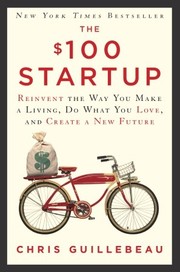
Start with The $100 Startup by Chris Guillebeau — dozens of case studies proving you can start lean, and a useful antidote to the belief that you need funding or inventory to begin. Then Will It Fly? by Pat Flynn, the single most important book in this path for first-timers: a structured process for testing whether anyone will pay before you sink months into a store.
Stage 2: Launch
Launch by Jeff Walker lays out the sequenced-launch playbook — building anticipation with an email list instead of flipping a switch to silence. Its style is salesy; its underlying structure works. Pair it with Dotcom Secrets by Russell Brunson for funnel mechanics — how a visitor becomes a buyer becomes a repeat buyer. Read both with a skeptic's eye: extract the frameworks, discard the hype.
Stage 3: Traffic and the words that convert
Stores don't fail from bad checkout pages; they fail from no visitors. Everybody Writes by Ann Handley is your content and copy foundation — clear, human product writing is the cheapest conversion lift available. Ultimate Guide to Google Ads by Perry Marshall covers paid search, still the highest-intent traffic there is; read it before spending a dollar, because ads punish the unprepared. Then Email Marketing Rules by Chad White — email remains the highest-ROI channel in e-commerce, and this is the craft manual for doing it without burning your list.
Stage 4: Run it like a business
The E-Myth Revisited by Michael Gerber explains why owners who do everything themselves plateau — you build systems, not just a store. Profit First by Mike Michalowicz forces margin discipline with a simple cash-allocation method; e-commerce's thin margins make this non-negotiable. Finish with Traction by Gino Wickman, an operating system for the business once it's real: priorities, metrics, meetings that work.
How to actually study this
Tie each stage to a milestone. Don't start stage two until you have validation evidence — preorders, deposits, or a waitlist. Don't touch paid ads until your product page converts organic visitors. Keep a simple spreadsheet of unit economics from day one; every book in stage four assumes you know your numbers.
The whole sequence with study plans per stage is the full reading path. Explore neighboring topics at the subject hub, or browse more paths.
FAQ
- What should I read before starting an online store?
- Start with validation books — Will It Fly? by Pat Flynn gives a process for testing demand before you build anything. Most store failures happen at product selection, not marketing.
- How much money do I need to start an e-commerce business?
- Less than you think. The $100 Startup documents lean launches, and print-on-demand or preorder models let you validate with minimal inventory risk.
- What is the best marketing channel for a new online store?
- Email plus one acquisition channel you can afford to learn deeply. Email consistently shows the highest ROI in e-commerce; paid ads work but punish beginners who skip the fundamentals.
Get the books
- 1The $100 startupAmazon ↗Chris Guillebeau
- 2Will It Fly?Amazon ↗Pat Flynn
- 3LaunchAmazon ↗Jeff Walker
- 4Everybody WritesAmazon ↗Ann Handley
- 5Ultimate Guide to Google AdsAmazon ↗Perry Marshall
- 6Dotcom SecretsAmazon ↗Russell Brunson
As an Amazon Associate we earn from qualifying purchases. Some book links are affiliate links; you pay the same price and we may earn a small commission.
Follow the full reading path


Start an online store
Beginner10books69 hrs4 stages
@worksherpa♥ 0
Ready to learn something deeply?
Build a reading path — free