Copywriting has a strange property: the best books in the field are decades old, and the new stuff is mostly a remix. That trips up beginners, who either dismiss the classics as dated or read them in random order and come away with a bag of tricks instead of a system. The tricks are real. But copy that sells comes from understanding why they work — and that understanding builds in a particular sequence.
Copywriting Books in Order: Learn to Write Words That Sell
July 11, 2026 · 2 min read
Why order matters here
Copywriting rests on three layers: the mechanics of holding attention, the evidence for what actually pulls response, and the psychology of why people buy. Start with the psychology and it stays abstract; start with the mechanics and you can feel the principles working as you write. The classics also reference each other constantly — later authors assume you know the earlier ones — so reading chronologically-by-dependency saves you from missing half the point.
The path, stage by stage
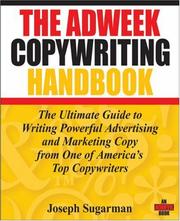
Start with the modern master. The Adweek Copywriting Handbook by Joseph Sugarman teaches the core mechanic — every element of an ad exists to get the next line read — through the story of his own mail-order ads. It is the friendliest serious introduction the field has.
Then read the evidence. Scientific Advertising by Claude Hopkins is the founding argument that advertising is measurable salesmanship, not art; a century later, direct-response marketers still operate on its logic. Follow with Tested Advertising Methods by John Caples, decades of split-test results on headlines and appeals — the empirical backbone under everything else on this path. Then Ogilvy on Advertising by David Ogilvy, equal parts craft manual and industry memoir, which connects the direct-response tradition to brand advertising.
Now go deeper into the buyer's mind. Influence by Robert Cialdini is the research-backed catalog of persuasion principles — reciprocity, scarcity, social proof — that every copywriter borrows from. Then tackle Breakthrough Advertising by Eugene Schwartz, the hardest and most valuable book here: its framework of market awareness stages tells you what your headline must do based on what the reader already knows. Most working copywriters reread it yearly.
Finish with working craft. The Copywriter's Handbook by Robert Bly is the desk reference for every format you will actually be hired to write, and The Boron Letters by Gary Halbert — letters written to his son — carries the daily habits and street instincts of the trade. If email is your channel, Email Persuasion by Ian Brodie applies all of it to the inbox.
Every book is sequenced with a study plan in the full reading path.
How to actually study this
Copywriting is learned by hand. Keep a swipe file of ads and emails that made you act, and copy out one great ad by hand each week — it sounds ridiculous and it works. After each book, write one real piece using its central idea: a headline set after Caples, a product page after Schwartz. Volume of reps beats depth of notes in this field.
Start at the copywriting hub, and when you can define your reader's awareness stage before writing a word, you are no longer a beginner. Browse related paths on marketing and sales to extend the skill.
FAQ
- What is the best copywriting book for beginners?
- The Adweek Copywriting Handbook by Joseph Sugarman. It teaches the core mechanics in plain language before you tackle the denser classics.
- Is Breakthrough Advertising worth the difficulty?
- Yes — its market-awareness framework is the most useful strategic idea in copywriting. Just read it after Sugarman, Hopkins, and Caples so it lands.
- Are old copywriting books still relevant?
- More than the new ones. Human buying psychology hasn't changed; the classics documented it with tested evidence, and modern books mostly repackage them.
Get the books
- 1The Adweek copywriting handbookAmazon ↗Joseph Sugarman
- 2Ogilvy on advertisingAmazon ↗David Ogilvy
- 3My Life in Advertising & Scientific AdvertisingAmazon ↗Claude C. Hopkins
- 4InfluenceAmazon ↗Robert B. Cialdini
- 5Breakthrough advertisingAmazon ↗Eugene M. Schwartz
- 6The copywriter's handbookAmazon ↗Robert W. Bly
As an Amazon Associate we earn from qualifying purchases. Some book links are affiliate links; you pay the same price and we may earn a small commission.
Follow the full reading path

Copywriting: write words that sell
Beginner10books61 hrs5 stages
@worksherpa♥ 0
Ready to learn something deeply?
Build a reading path — free