Most people avoid learning sales because they are picturing the wrong thing: the pressuring closer, the script, the fake urgency. The awkward truth is that everyone sells, whether the product is software, a freelance service, or an idea in a meeting. And the research-backed way to sell looks nothing like the stereotype.
Reading order matters here because sales books contradict each other on tactics but agree on foundations. Start with mindset and human dynamics, add a questioning method, then layer on the situational playbooks. Reverse the order and you become a bag of tricks with no judgment about when to use them.
Stage 1: fix the picture in your head
Start with To Sell Is Human by Daniel H. Pink, which uses social science to dismantle the pushy-seller stereotype and reframe selling as moving people through honesty and attunement. Then read How to Win Friends and Influence People by Dale Carnegie. It is nearly a century old and still the foundational text on genuine interest in other people, which is the raw material of every sale. Round out the stage with Influence by Robert B. Cialdini, the classic research on why people say yes; read it both to persuade ethically and to notice when the same levers are being pulled on you.
Stage 2: learn a questioning method
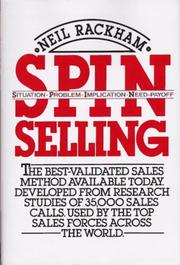
SPIN selling by Neil Rackham is the most evidence-based sales book ever written, built on the analysis of tens of thousands of real sales calls. Its core finding: in serious sales, asking the right sequence of questions beats any closing technique. Then read The challenger sale by Matthew Dixon, which argues that top performers teach customers something new about their own business rather than merely building rapport. Rackham and Dixon tension against each other productively; most working sellers blend them.
Stage 3: fill the pipeline and close the gap
None of it matters without conversations. Fanatical prospecting by Jeb Blount is the blunt, tactical manual for consistently generating opportunities without waiting for referrals. When deals reach the negotiating table, Never Split the Difference by Chris Voss brings FBI hostage-negotiation tools like calibrated questions and tactical empathy to commercial conversations. Finish with The trusted advisor by David H. Maister, which reframes the long game: the goal is not winning one deal but becoming the person clients call first.
How to actually study this
Sales is a contact sport, so pair every book with live repetitions. After Rackham, write out your discovery questions and use them in your next five conversations. After Blount, block a daily prospecting hour for two weeks. Keep a simple call journal: what you asked, where the conversation turned, what you would change. Skills compound through review, not reading volume.
The full staged curriculum with study plans is in the full reading path. Browse adjacent skills on the subject hub, or explore all paths.
Ready to learn something deeply?
Build a reading path — free