The classic homesteading failure is not drought or predators — it is enthusiasm. New homesteaders try to launch a garden, a flock, an orchard, and a preservation kitchen in the same season, and burn out by August. The reading order below is designed against that: survey the whole territory first so you can choose deliberately, then go deep on one system at a time, then zoom back out to design the pieces into a whole.
Homesteading books: grow, build, and preserve — in order
July 11, 2026 · 2 min read
Stage 1: see the whole territory
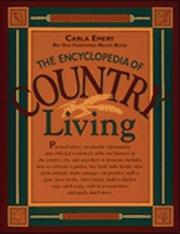
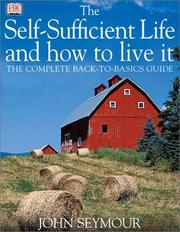
Start with The Encyclopedia of Country Living by Carla Emery, the sprawling, homespun reference that generations of back-to-the-landers grew up on — less a book to read cover to cover than a map of everything the life contains. Pair it with The Self-Sufficient Life and How to Live It by John Seymour, the beautifully illustrated classic that lays out what a quarter-acre, one-acre, and five-acre holding can realistically produce. Between them you will know which systems you actually want, which is the decision that matters most.
Stage 2: grow the food
The Market Gardener by Jean-Martin Fortier is the modern standard for intensive vegetable production on small ground — bed layout, crop planning, and tools that make a small plot genuinely productive, whether or not you ever sell a carrot. Complement it with Gaia's Garden by Toby Hemenway, the friendliest introduction to permaculture design: guilds, perennials, and letting ecology do work you would otherwise do with your back.
Stage 3: animals and the preservation kitchen
When you add livestock, start where everyone starts: Storey's Guide to Raising Chickens by Gail Damerow is the definitive manual on breeds, housing, health, and predator defense. For the harvest glut, The Art of Fermentation by Sandor Ellix Katz is the deepest book ever written on transforming produce into krauts, pickles, and brews — as much philosophy as technique. One safety note this stage deserves: preservation has real rules. Follow tested recipes and current guidelines for anything canned or fermented — low-acid foods canned improperly risk botulism — and when in doubt, consult your local extension service.
Stage 4: keep it standing
Dare to Repair, Replace, and Renovate by Julie Sussman builds the fix-it confidence a homestead demands weekly. Then finish by zooming out: The Resilient Farm and Homestead by Ben Falk documents a working Vermont hillside designed for resilience — water first, soil second, systems that fail gracefully. It is the book that turns a collection of projects into a designed whole.
How to actually study this
Adopt the one-system-per-season rule: garden the first year, birds the second, serious preservation the third. Keep a homestead journal — planting dates, yields, failures — because your land's particulars will overrule any book within two years. And before livestock or major builds, check local zoning and ordinances; the most common beginner surprise is legal, not agricultural.
The staged plan with study notes is the full reading path. Deeper routes into gardening, chickens, and preserving live on the subject hub, or browse Discover.
FAQ
- What is the best book to start homesteading?
- The Encyclopedia of Country Living by Carla Emery for breadth, then The Self-Sufficient Life and How to Live It by John Seymour to plan what your specific acreage can support.
- Can you homestead on a small suburban lot?
- Yes — intensive methods in books like The Market Gardener scale down well, and a small flock plus a serious garden fits many suburban lots. Check local ordinances first.
Get the books
- 1The encyclopedia of country livingAmazon ↗Carla Emery
- 2The self-sufficient life and how to live itAmazon ↗Seymour, John
- 3The market gardenerAmazon ↗Jean-Martin Fortier
- 4The art of fermentationAmazon ↗Sandor Ellix Katz
- 5Storey's guide to raising chickensAmazon ↗Gail Damerow
- 6Amazon ↗
As an Amazon Associate we earn from qualifying purchases. Some book links are affiliate links; you pay the same price and we may earn a small commission.
Follow the full reading path

Homestead: grow, build, live self-sufficient
Beginner10books87 hrs5 stages
Ready to learn something deeply?
Build a reading path — free