The biggest problem in sustainable living isn't apathy — it's misallocated effort. People agonize over plastic straws while their flights, heating, and diet dwarf everything else on their footprint. Without a sense of scale, eco-advice becomes ritual: comforting, visible, and numerically irrelevant. So this reading path starts with numbers, moves to household practice, and ends with the systems that individual choices live inside. That order is the whole point.
Sustainable Living Books: A Reading Path, Room by Room
July 11, 2026 · 3 min read
Why order matters here
Read the how-to books first and you will dutifully implement fifty tips of wildly unequal value. Read the numbers first and you can rank every tip yourself. And read the systems books last, once you have practice under your belt — otherwise "it's all systemic anyway" becomes a sophisticated excuse to do nothing. Scale, then practice, then systems.
The path, stage by stage
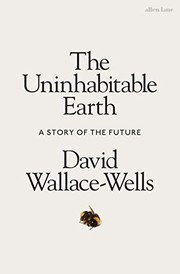
Start with carbon literacy. How Bad Are Bananas? by Mike Berners-Lee is the essential first book: the carbon footprint of everything from a text message to a transatlantic flight, which permanently recalibrates your sense of what matters. Pair it with The Uninhabitable Earth by David Wallace-Wells if you want the stakes made vivid — it is intentionally alarming, drawing on high-end warming scenarios, so read it as motivation calibrated by the more measured books around it.
Then build the household practice. Zero Waste Home by Bea Johnson is the founding text of the zero-waste movement — refuse, reduce, reuse, recycle, rot — from a family that actually lives it, room by room. 101 Ways to Go Zero Waste by Kathryn Kellogg is its pragmatic companion: small, ranked, non-preachy swaps you can start this week. Add The Story of Stuff by Annie Leonard to understand the full lifecycle of the objects flowing through your home — where they come from, where "away" actually is. On food, Eating Animals by Jonathan Safran Foer makes the case about industrial meat; it is a moral argument as much as an environmental one, and you can weigh it as such.
Finish with systems. Drawdown by Paul Hawken ranks climate solutions by measurable impact — a bracing corrective to intuition, since the top entries are rarely what anyone guesses. Doughnut Economics by Kate Raworth reframes the whole question: an economy that meets human needs within planetary boundaries, and why growth-as-goal misfires. For the long view, Sustainability by Jeremy Caradonna gives the idea its history, and Living the Good Life by Helen Nearing is the classic account of radical simplicity — read it as inspiration, not instruction. If you want the ideas in fiction, The Overstory by Richard Powers will do more for your relationship with trees than any manual.
The staged sequence with study plans lives in the full reading path.
How to actually study this
Measure before you change anything: run a rough footprint estimate, then pick the three biggest items — for most people some mix of flights, heating and cooling, driving, and diet. Make one structural change (a thermostat schedule, one fewer flight, meat as garnish) before any of the fun small swaps. Then do one room per month with the zero-waste books in hand. Keep a short list of what you changed and roughly what it saved; the numbers keep the practice honest.
Start at the sustainable living hub, or browse related paths on climate change and composting to go deeper on any branch.
FAQ
- What actually reduces your carbon footprint the most?
- For most people: flying less, driving less, home heating and cooling, and eating less meat. How Bad Are Bananas? gives you the numbers to rank your own choices.
- Is zero waste realistic for a normal family?
- Perfection isn't, but large reductions are. Zero Waste Home comes from a real family of four; treat its system as a direction, not a purity test.
- Do individual actions even matter for climate change?
- Both things are true: systems drive most emissions, and household choices still matter — especially the big ones, and especially as social signals. Drawdown shows where impact actually lives.
Get the books
- 1How Bad Are Bananas?Amazon ↗Mike Berners-Lee
- 2The Uninhabitable EarthAmazon ↗David Wallace-Wells
- 3Zero Waste HomeAmazon ↗Bea Johnson
- 4101 Ways to Go Zero WasteAmazon ↗Kathryn Kellogg
- 5DrawdownAmazon ↗Paul Hawken
- 6Eating animalsAmazon ↗Jonathan Safran Foer
As an Amazon Associate we earn from qualifying purchases. Some book links are affiliate links; you pay the same price and we may earn a small commission.
Follow the full reading path


Live more sustainably, room by room
Beginner11books81 hrs5 stages
@homesherpa♥ 0
Ready to learn something deeply?
Build a reading path — free