Indian food might be the cuisine people most love to eat and least attempt to cook. The spice list looks like a chemistry set, the techniques have unfamiliar names, and the first recipe you try online has forty ingredients. So people conclude Indian cooking is hard. It is not — it is sequenced. Home cooks in India learn a handful of foundational techniques (blooming spices in hot fat, building a masala, layering heat and acid) and everything else is variation. The right books teach it in exactly that order.
Indian Cooking Books: A Reading Path to Real Home Food
July 11, 2026 · 2 min read
Why order matters here
Start with an encyclopedic regional cookbook and you drown in unfamiliar everything. Start with a friendly bridge, learn the core techniques from a great teacher, and then the deep regional books become exciting instead of overwhelming.
The path, stage by stage
Start with Indian-ish by Priya Krishna — real Indian home cooking filtered through an American kitchen, with short ingredient lists and zero pretension. It gets pans dirty on night one, which is the whole battle. Follow with Entice with Spice by Shubhra Ramineni, written specifically for busy cooks making weeknight Indian food with streamlined, family-tested methods.
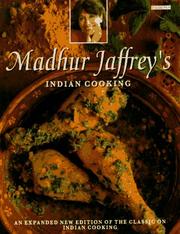
Then study with the master. Madhur Jaffrey's Indian Cooking is the book that taught the West this cuisine — clear technique, reliable recipes, and the vocabulary of the spice box, from the writer who effectively invented the genre in English. Her earlier An Invitation to Indian Cooking is the charming, personal original; read it for voice and depth once the techniques feel familiar.
Now go regional, because "Indian food" is really a continent of cuisines. Dakshin by Chandra Padmanabhan opens South India — dosas, sambars, coconut and curry leaves, a largely vegetarian world most Western menus skip. Prashad Cookbook by Kaushy Patel brings Gujarati vegetarian home cooking from a celebrated family kitchen.
Finish with breads and the restaurant question. Flatbreads and Flavors by Jeffrey Alford treats bread as a doorway into food culture — chapatis, parathas, and their cousins across the spice routes. And The Curry Guy by Dan Toombs reverse-engineers British curry-house classics — tikka masala, madras, the base-gravy method — which is its own tradition and a fun one to master.
How to actually study this
Stock the ten core spices once (cumin, coriander, turmeric, mustard seed, chili, garam masala and friends) and half of every ingredient list disappears. Cook each book's basics three times before moving on — technique lives in repetition, not reading. Master one dal, one sabzi, and one rice dish until they are automatic; that trio is a weeknight Indian kitchen. Taste as you go and write in the margins.
The staged plan is the full reading path. Neighboring kitchens live in the Indian cooking hub, or browse all paths.
FAQ
- What is the best Indian cookbook for beginners?
- Indian-ish by Priya Krishna — genuine home flavors with short, weeknight-friendly recipes. Graduate to Madhur Jaffrey once the core techniques feel comfortable.
- What spices do I need to start cooking Indian food?
- About ten cover most recipes: cumin, coriander, turmeric, mustard seeds, chili powder, garam masala, cardamom, cinnamon, cloves, and asafoetida. Buy small quantities and replace them yearly.
Get the books
- 1Indian-ishAmazon ↗Priya Krishna
- 2Madhur Jaffrey's Indian cookingAmazon ↗Madhur Jaffrey
- 3Entice with spiceAmazon ↗Shubhra Ramineni
- 4DakshinAmazon ↗Chandra Padmanabhan
- 5Flatbreads and flavorsAmazon ↗Jeffrey Alford
- 6An invitation to Indian cookingAmazon ↗Madhur Jaffrey
As an Amazon Associate we earn from qualifying purchases. Some book links are affiliate links; you pay the same price and we may earn a small commission.
Follow the full reading path


Cook Indian food at home
Beginner8books51 hrs4 stages
Ready to learn something deeply?
Build a reading path — free