Most people who go freelance are good at the work. That is never the problem. The problem is everything around the work: finding clients, saying no, charging enough, and not accidentally building a worse job with no benefits. Freelancers rarely fail at their craft; they fail at the business wrapped around it.
Reading order matters here because the failure modes are sequential. If you learn pricing before positioning, you will confidently charge premium rates for a service nobody can distinguish from a hundred others. If you learn client-getting tactics before you understand the freelance economy you are entering, you will chase the wrong clients energetically.
Stage 1: see the landscape
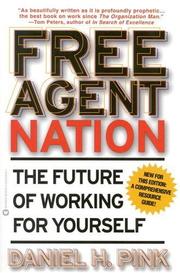
Start with Free Agent Nation by Daniel Pink. It is the big-picture case that independent work is a durable economic shift, not a fallback, and it will settle the "is this a real career" question your relatives keep asking. Then read The Freelancer's Bible by Sara Horowitz, founder of the Freelancers Union. It is the unglamorous operations manual: contracts, taxes, health insurance, getting paid. Boring, essential, and best absorbed before your first invoice goes unpaid.
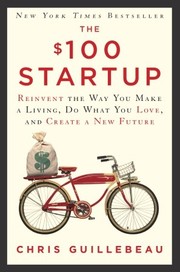
The $100 Startup by Chris Guillebeau rounds out the stage with dozens of case studies of tiny one-person businesses. Its value is calibration: seeing how small a viable launch can actually be.
Stage 2: positioning, then selling
Here is the sequence that saves you a year. First read Positioning by Al Ries, the classic marketing argument that you win by owning a specific slot in the client's mind, not by being generally good. Every strong freelance business is built on this idea, usually without knowing its source.
Then read The Win Without Pitching Manifesto by Blair Enns, a short, bracing book arguing that expertise-based businesses should never do free pitching, and showing how positioning is what earns you that right. It only lands after Ries; read it first and it sounds arrogant rather than logical.
With positioning set, Book Yourself Solid by Michael Port gives you the actual client-acquisition system: referral engines, networking that does not feel gross, and a filter for the clients you should turn away.
Stage 3: price it, then build it to last
Breaking the Time Barrier by Mike McDerment is a 90-minute read that will change your rates. It makes the case for value-based pricing over hourly billing through a simple story, and it is free of jargon. Read it before you quote your next project.
Finally, Company of One by Paul Jarvis asks the question most business books skip: what if staying small is the point? It is the antidote to grind-and-scale culture and a blueprint for a freelance practice you can run for decades.
How to actually study this
Do not read this path in a batch. Read stage 1 while you still have a job. Read Ries and Enns while drafting one sentence: "I help X do Y." Rewrite it after each chapter. Apply Port's system to land three clients, then read the pricing material before client four. Each book should produce one artifact: a positioning statement, an outreach list, a rate card.
The full reading path has all nine books staged with study plans. See related paths at the freelancing hub, or build your own list.