Most remote workers were never taught to work remotely. They were handed a laptop and left to recreate the office at home — the same meetings, the same interruptions, the same performative availability, now with worse boundaries. When it goes badly, people blame remote work itself. The real problem is that remote work is a skill stack, and almost nobody builds the stack in order.
Remote Work Books: A Reading Path to Thrive From Anywhere
July 11, 2026 · 2 min read
Why order matters here
Remote skills are layered. Communication practices sit on top of personal systems; personal systems sit on top of focus; focus sits on top of believing the whole thing can work at all. Read a book on async communication before you can protect two hours of concentration and you will nod along and change nothing. The sequence below builds each layer before asking you to stand on it.
The path, stage by stage
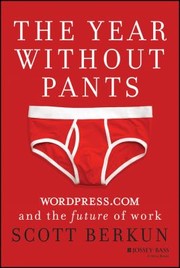
Start with conviction and a map. Remote: Office Not Required by Jason Fried is the classic case for distributed work — what it demands, what it makes possible, and the traps companies fall into. Pair it with The Year Without Pants by Scott Berkun, an insider's account of working inside Automattic's distributed culture that shows what this looks like in practice rather than in theory.
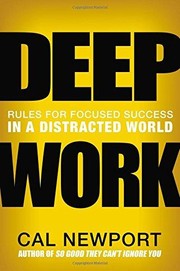
Then build your focus and your system. Deep Work by Cal Newport makes the case that concentrated, undistracted work is the scarce asset of a remote career, and shows how to defend it. Follow with Getting Things Done by David Allen — the durable framework for capturing and organizing commitments so your attention isn't spent tracking open loops. These two are the engine of everything that follows.
Next, fix how you communicate. A World Without Email by Cal Newport diagnoses the hyperactive hive-mind of constant messaging and lays out workflows that replace it — essential reading for anyone drowning in Slack. Digital Body Language by Erica Dhawan decodes how tone, timing, and punctuation carry meaning when nobody can see your face, which is where most remote misunderstandings are born.
Finally, learn to shape the environment around you. It Doesn't Have to Be Crazy at Work by Jason Fried is a manifesto for calm companies — useful whether you run one or need language to push back on chaos. If you manage people, The Long-Distance Leader by Kevin Eikenberry translates core leadership practice to teams you rarely see in person.
All nine books are sequenced with study plans in the full reading path.
How to actually study this
Implement as you read — one change per book, kept for two weeks before adding the next. After the focus stage, block ninety protected minutes daily. After the systems stage, run a weekly review. After the communication stage, convert one recurring meeting to an async write-up and see what happens. Remote work improves through practiced defaults, not insight.
Start at the remote work hub, and if your remote setup is the launchpad for independent work, browse related paths on freelancing and productivity next.
FAQ
- What is the best book on remote work for beginners?
- Remote: Office Not Required by Jason Fried. It covers the mindset, the objections, and the practical mechanics in an afternoon's read.
- How do I stay productive working from home?
- Protect long blocks of focused time and run a trusted task system. Deep Work and Getting Things Done, read in that order, are the standard playbook.
- Are there books on managing remote teams?
- Yes — The Long-Distance Leader by Kevin Eikenberry addresses remote management directly, and A World Without Email helps you redesign team communication.
Get the books
- 1Remote: Office Not RequiredAmazon ↗Jason Fried
- 2The Year Without PantsAmazon ↗Scott Berkun
- 3Deep WorkAmazon ↗Cal Newport
- 4Getting Things DoneAmazon ↗David Allen
- 5It Doesn't Have to Be Crazy at WorkAmazon ↗Jason Fried
- 6Collaborating with the enemyAmazon ↗Adam Kahane
As an Amazon Associate we earn from qualifying purchases. Some book links are affiliate links; you pay the same price and we may earn a small commission.
Follow the full reading path

Thrive working remotely
Beginner9books52 hrs4 stages
@worksherpa♥ 0
Ready to learn something deeply?
Build a reading path — free