Composting has a public-relations problem: everyone knows someone whose pile smelled. But a smelly pile isn't a compost problem, it's a recipe problem — too much nitrogen, not enough air — and it's fixable the same afternoon. Done right, compost is odorless, low-effort, and quietly magical: garbage in, soil out.
Start composting at home — no smell, no mess, no mystery
July 9, 2026 · 1 min read
The path, stage by stage
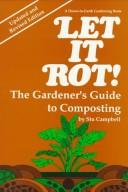
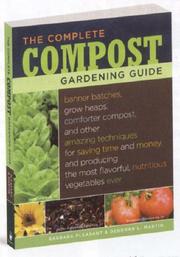
Our composting path starts with the friendly classic — Stu Campbell's Let It Rot!, forty years of reassurance that decomposition wants to happen — and The Complete Compost Gardening Guide for systems that fit real yards. Worms Eat My Garbage covers vermicomposting (the apartment-friendly version), The Rodale Book of Composting is the encyclopedic reference, and Jeff Lowenfels' Teaming with Microbes explains the underground economy your finished compost feeds. David the Good's Compost Everything is the entertaining permission slip to stop overthinking.
The habit: browns beside the bin
Every failed pile shares one cause: nitrogen-rich kitchen scraps with nothing to balance them. The fix is logistical — keep a bin of "browns" (dry leaves, shredded cardboard) next to the compost, and cover every green addition. That one habit prevents essentially all smell, flies, and despair.
Around 65 hours of reading for an infinite supply of the best soil amendment there is. Follow the path — it pairs perfectly with vegetable gardening.
FAQ
- Can I compost in a small yard or on a balcony?
- Yes — worm bins and sealed tumblers are built for exactly that, and Worms Eat My Garbage is the classic guide. A well-run worm bin under a sink is genuinely odorless.
- What should never go in home compost?
- Meat, dairy, oils, and pet waste — they attract pests and harbor pathogens home piles don’t get hot enough to kill. The books’ lists are short; everything else plant-based is fair game.
Get the books
- 1Let it rot!Amazon ↗Stu Campbell
- 2The complete compost gardening guideAmazon ↗Barbara Pleasant
- 3Compost EverythingAmazon ↗David Goodman
- 4The Rodale book of compostingAmazon ↗Deborah L. Martin
- 5Worms Eat My GarbageAmazon ↗Mary Appelhof
- 6The Art and Science of CompostingAmazon ↗Leslie Cooperband
As an Amazon Associate we earn from qualifying purchases. Some book links are affiliate links; you pay the same price and we may earn a small commission.
Follow the full reading path
Compost at home (without the smell)
Beginner8books41 hrs4 stages
Ready to learn something deeply?
Build a reading path — free