The classic first garden: a burst of May enthusiasm, a few tomato plants, then weeds, pests, and a $40 harvest of slightly sad zucchini. The fix isn't more effort — it's better order. Productive gardens are built soil-first, layout-second, plants-last, and the books that teach that sequence pay for themselves in one season.
Start a backyard vegetable garden that actually produces
July 9, 2026 · 3 min read
Year one: get something growing
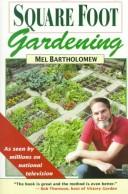
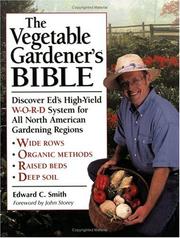
Our backyard gardening path starts with the two books that make beginners productive fast. Square Foot Gardening by Mel Bartholomew is the layout system that eliminates most weeding and makes a small bed genuinely serious, and The vegetable gardener's bible by Edward C. Smith is the reference you will keep using for a decade — crop by crop, with spacing, timing and troubleshooting.
Then go underground
Teaming with microbes by Jeff Lowenfels explains the soil food web that actually feeds plants, and it is the book that changes how you garden rather than what you plant. Read it before you buy any fertiliser.
Two practical soil books follow naturally. Crop rotation and cover cropping by Seth Kroeck is short and unglamorous and it is how you stop your beds declining in year three — what to plant when nothing is cropping, and why not to grow tomatoes in the same square every summer. The organic gardener's handbook of natural pest and disease control by Fern Marshall Bradley is the diagnostic reference: something is eating the leaves, here is what it is and what actually works. Keep it with the vegetable bible and reach for it before you spray anything.
Fruit, and the longer view
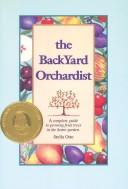
Then fruit, which is the highest-return thing most gardeners never plant. The Backyard Orchardist by Stella Otto covers home-scale fruit trees — variety choice, pruning, thinning, the first five years — and The fruit gardener's bible by Lewis Hill widens that to berries, vines and the whole home fruit garden.
Push the season, then push the yield
Four-Season Harvest by Eliot Coleman is the step most home gardeners skip: cold frames, low tunnels and a hardy winter crop list that turn a five-month garden into a twelve-month one. In a cold climate it is the single biggest increase in food per square foot available to you, and it costs almost nothing.
The path ends with The market gardener by Jean-Martin Fortier — commercial-grade intensity scaled down to a backyard. It is a business book about a two-acre farm, so read it for the systems thinking rather than the scale: bed standardisation, tool choice, and the discipline of harvesting on a schedule.
One book here that is not about gardening
The art of fermentation by Sandor Ellix Katz appears in the catalogue listing for this path, and it is a magnificent book — but it is about preserving food, not growing it. It shows up here through cataloguing rather than subject. It is a reasonable thing to own once your August glut arrives; it will not help you get to August.
The habit: feed the soil, not the plants
Every experienced gardener repeats it because it's true. Compost, mulch, and minimal digging outperform any fertilizer program — and they compound yearly. Pair this path with home composting and your best input becomes free.
About 90 hours of reading across a gardening year. Follow the path, start narrower with raised beds, or tuck a few herbs in beside the door where you will actually use them.
FAQ
- How much space do I need to grow real food?
- Less than you think — Square Foot Gardening exists precisely because a 4x8 bed, run intensively, out-produces a sprawling neglected plot. Sun matters more than square footage: six-plus hours is the real requirement.
- When should I add cover crops and season extension?
- Cover crops from year two, once you have beds worth protecting; season extension whenever winter frustrates you. Both are cheap, and both raise yield far more than adding another bed you do not have time to weed.
Get the books
- 1Square Foot GardeningAmazon ↗Mel Bartholomew
- 2The vegetable gardener's bibleAmazon ↗Edward C. Smith
- 3The Backyard OrchardistAmazon ↗Stella Otto
- 4The fruit gardener's bibleAmazon ↗Lewis Hill
- 5Teaming with microbesAmazon ↗Jeff Lowenfels
- 6The market gardenerAmazon ↗Jean-Martin Fortier
As an Amazon Associate we earn from qualifying purchases. Some book links are affiliate links; you pay the same price and we may earn a small commission.
Follow the full reading path
Grow an expert backyard food garden
Beginner10books77 hrs5 stages
Ready to learn something deeply?
Build a reading path — free