Beekeeping has a brutal beginner statistic: a large share of first-year colonies die, and almost always from something the keeper didn't know to look for. The difference between keepers who lose bees every winter and those who don't isn't luck — it's biology. Understand what the colony is trying to do, and every management decision starts making sense.
Start beekeeping: the biology first, then the bees
July 9, 2026 · 3 min read
Start with the science, not the smoker
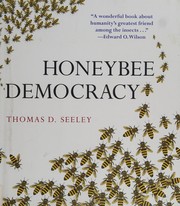
That's why our beekeeping path opens with two books about bees rather than beekeeping. The buzz about bees by Jürgen Tautz explains the colony as a superorganism — a single body made of thousands of animals — and it is the frame that makes swarming, laying patterns and winter clustering intelligible instead of alarming. Then Honeybee democracy by Thomas D. Seeley, one of the great biology books of the last twenty years, on how a swarm makes a collective decision about where to live. Read them first and you will spend the rest of your beekeeping life recognising what you are looking at.
Then the first-year practice
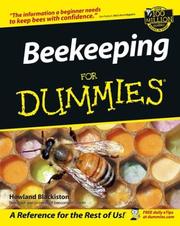
Beekeeping for dummies by Howland Blackiston is the broad, friendly manual: equipment, installing a package, what to do in each month. The backyard beekeeper by Kim Flottum covers the same first year with more opinion and better photographs, and is the one most new keepers end up carrying to the hive. First Lessons in Beekeeping by Keith Delaplane is the concise classic — short enough to reread every spring, which is exactly how it should be used.
For depth, The Hive and the honey bee is the encyclopedic reference the whole trade quotes. It is a doorstop and it is not for reading front to back; it is for the question no manual answers.
Three more books, and what each is actually for
Honey Bee Hobbyist by Norman Gary is written by an entomologist specifically for the small-scale keeper who wants a hive or two in the garden rather than a sideline business. If the commercial framing of some manuals feels oversized for your ambitions, this is the one that fits.
A book of bees by Sue Hubbell is not a manual at all. It is a year in the life of a commercial beekeeper in the Ozarks, and it is one of the best-written books about any kind of animal husbandry. Read it for what the work feels like, and for the honest account of loss that manuals skip.
The Practical Beekeeper by Michael Bush is the most influential argument for treatment-free, natural-comb beekeeping, and it needs a plain caveat. Bush's approach is genuinely contested: varroa management is the central problem in modern beekeeping, and many experienced keepers and researchers hold that untreated colonies in most regions will die, taking mites into neighbouring apiaries as they collapse. Read it after you know standard practice, treat it as one side of a live argument rather than a beginner method, and check what your local association and any regional disease regulations expect of you.
The habit: inspect with a question
New beekeepers open hives to look; experienced ones open hives to answer something. Is the queen laying? Do they have room? What is the mite count? Every inspection disturbs the colony, so make each one earn it — go in with a question, get the answer, close up. The books teach what the questions should be, month by month.
Roughly 100 hours of reading before and during your first season. Follow the path, and plant for your bees with the pollinator gardening hub.
FAQ
- Should I start with one hive or two?
- Two — the books are near-unanimous. A second colony gives you a comparison (is this normal or is this hive struggling?) and resources to rescue a weak one. It's barely more work.
- Is treatment-free beekeeping a good idea for a beginner?
- Most experienced keepers say no. Varroa is the main cause of colony death, and going untreated in your first years risks losing the hive and spreading mites locally. Learn conventional monitoring and treatment first, then read the treatment-free case with that grounding.
Get the books
- 1The buzz about beesAmazon ↗Jürgen Tautz
- 2Honeybee democracyAmazon ↗Thomas D. Seeley
- 3Beekeeping for dummiesAmazon ↗Howland Blackiston
- 4The backyard beekeeperAmazon ↗Kim Flottum
- 5First Lessons in BeekeepingAmazon ↗Keith Delaplane
- 6The Hive and the honey beeAmazon ↗Roy A. Grout
As an Amazon Associate we earn from qualifying purchases. Some book links are affiliate links; you pay the same price and we may earn a small commission.
Follow the full reading path

Keep bees: a beginner's path
Beginner9books74 hrs4 stages
Ready to learn something deeply?
Build a reading path — free