Chickens sell themselves: fresh eggs, garden pest control, genuinely funny animals. What the photogenic coops don't show is the failure mode — a raccoon's one bad night, a flock-wide illness, a coop that is a misery to clean. Nearly all of it is preventable with knowledge you can acquire before the chicks arrive.
Order matters mostly because the expensive, irreversible decision — housing — comes first in real life and last in most people's reading. Read the reference, then the coop book, then buy birds.
The reference every keeper ends up owning
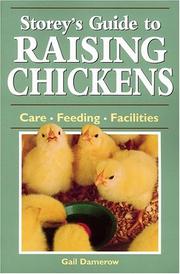
Storey's guide to raising chickens by Gail Damerow is the spine of this path: breeds, housing, feed, behaviour, health, the whole enterprise, in enough depth to answer almost anything. If you find it dense as a first read, Raising chickens for dummies by Kimberley Willis is the gentler on-ramp and covers the same first-year ground more briskly.
Housing, and living with a flock
Chicken Coops by Judy Pangman supplies buildable plans across a wide range of scales and budgets, which is the point: coop design is where beginners overspend on the wrong things and underspend on the ones that matter. Free-range chicken gardens by Jessi Bloom then solves the chickens-versus-garden war elegantly, with planting and layout that survive birds instead of being destroyed by them.
Two lighter books sit alongside these. How to speak chicken by Melissa Caughey is about flock behaviour — what the noises and the pecking order actually mean — and it is more useful than its cheerful packaging suggests, because reading a flock is how you notice illness early. A kid's guide to keeping chickens, also by Caughey, is exactly what it says: a well-made book written for children. Buy it if you are keeping chickens with kids, and skip it otherwise; it will not add anything to Damerow.
Health, and scaling up
The capstone is Damerow's The chicken health handbook — the reference you want on the shelf before the day you need it urgently, organised by symptom so you can find things at speed. It is not a substitute for a vet, and it is honest about which conditions need one.
If the flock grows past a hobby, The small-scale poultry flock by Harvey Ussery is the serious next step: home-mixed feed, breeding your own replacements, integrating birds into a larger food system, and running a flock as part of a homestead rather than as pets that lay. It assumes the basics, so it belongs at the end.
The habit: build for the predator you haven't met
The books converge on one rule: every location has predators you haven't seen yet, and they will all test your coop. Hardware cloth (never chicken wire), buried aprons, locking latches — build once, properly, before the first night. Retrofitting after a loss is the saddest job in the hobby.
The second habit is a daily look. Thirty seconds counting birds and watching how they move catches most problems while they are still small, which is the entire practical value of the health handbook.
About 80 hours of reading for a decade of eggs. Follow the path, or pair it with the rest of the homestead: beekeeping and vegetable gardening.